Limit Switch
Limit Switch
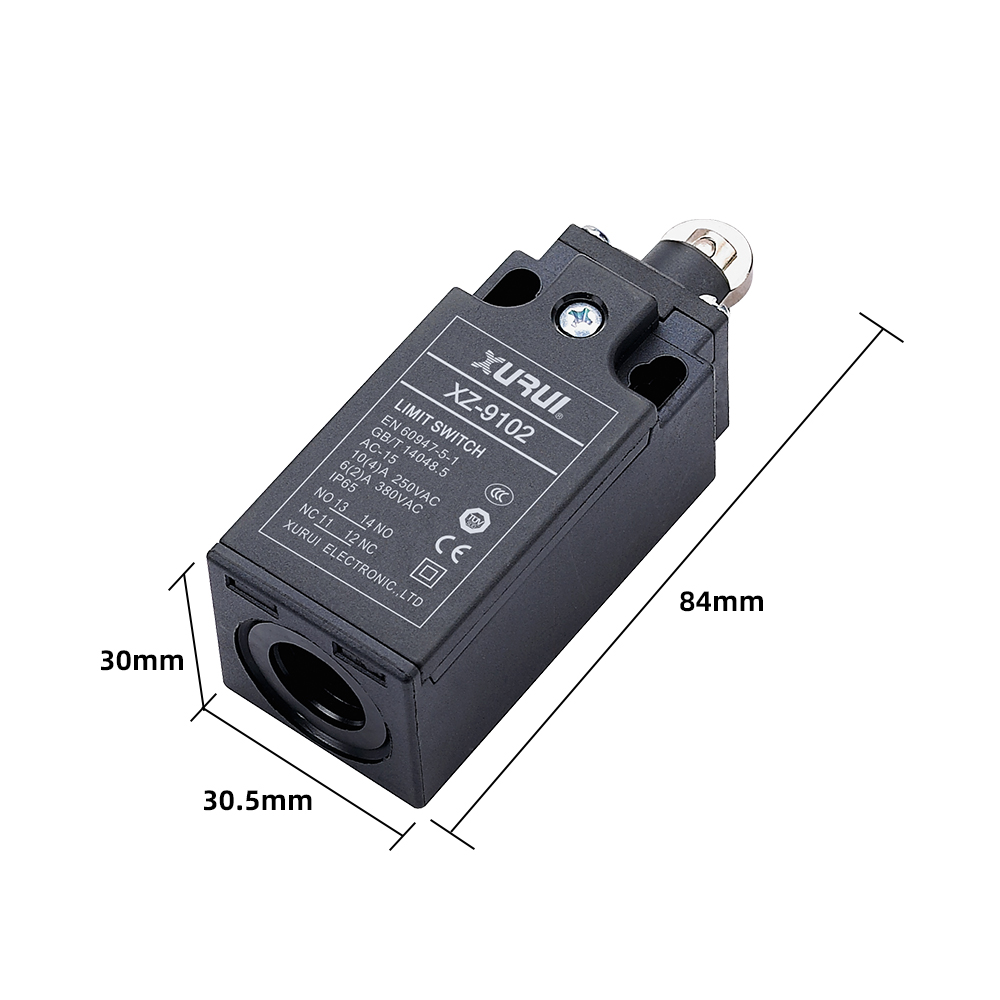
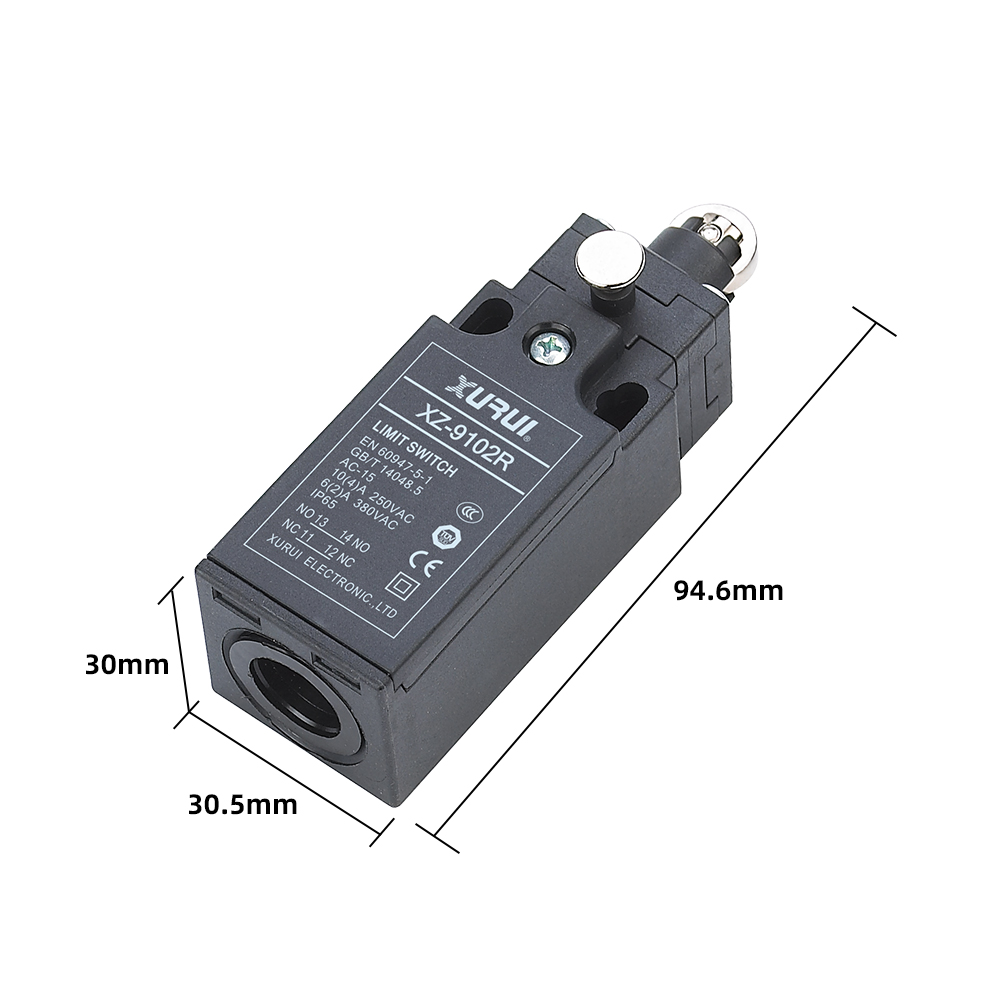
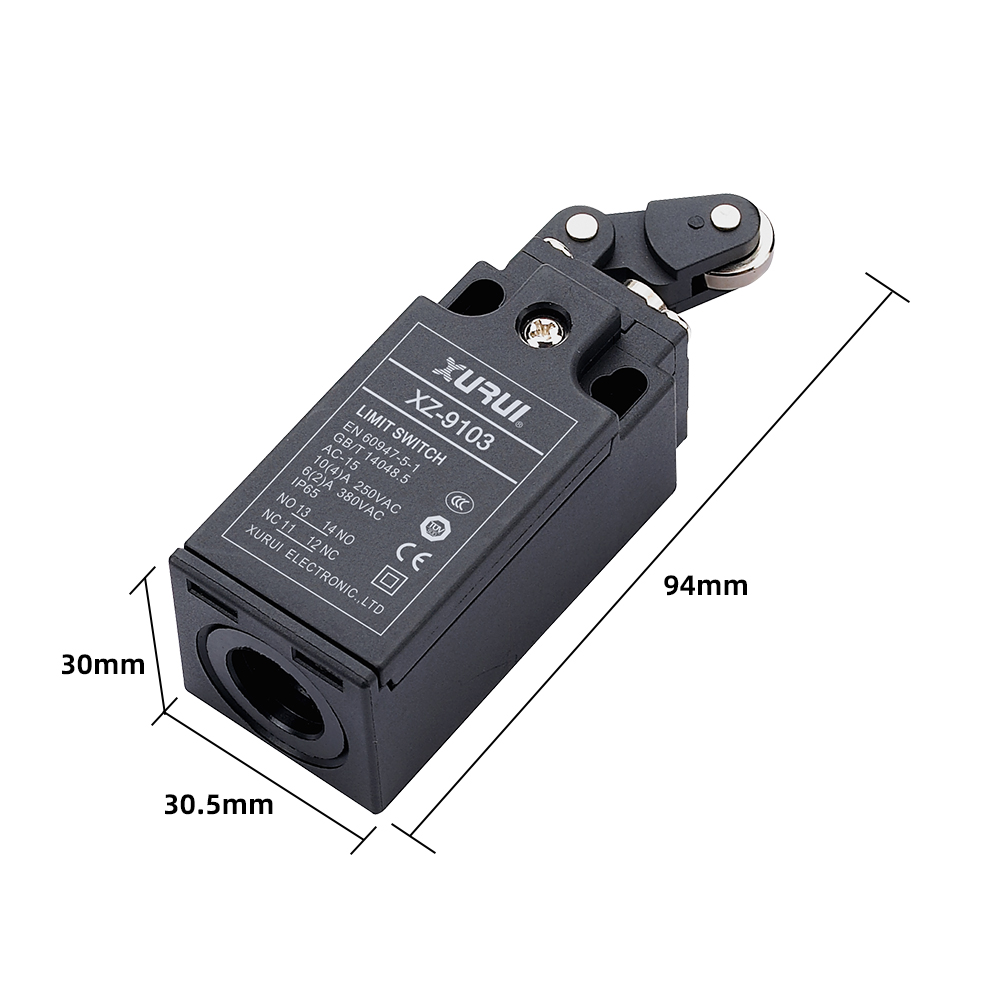
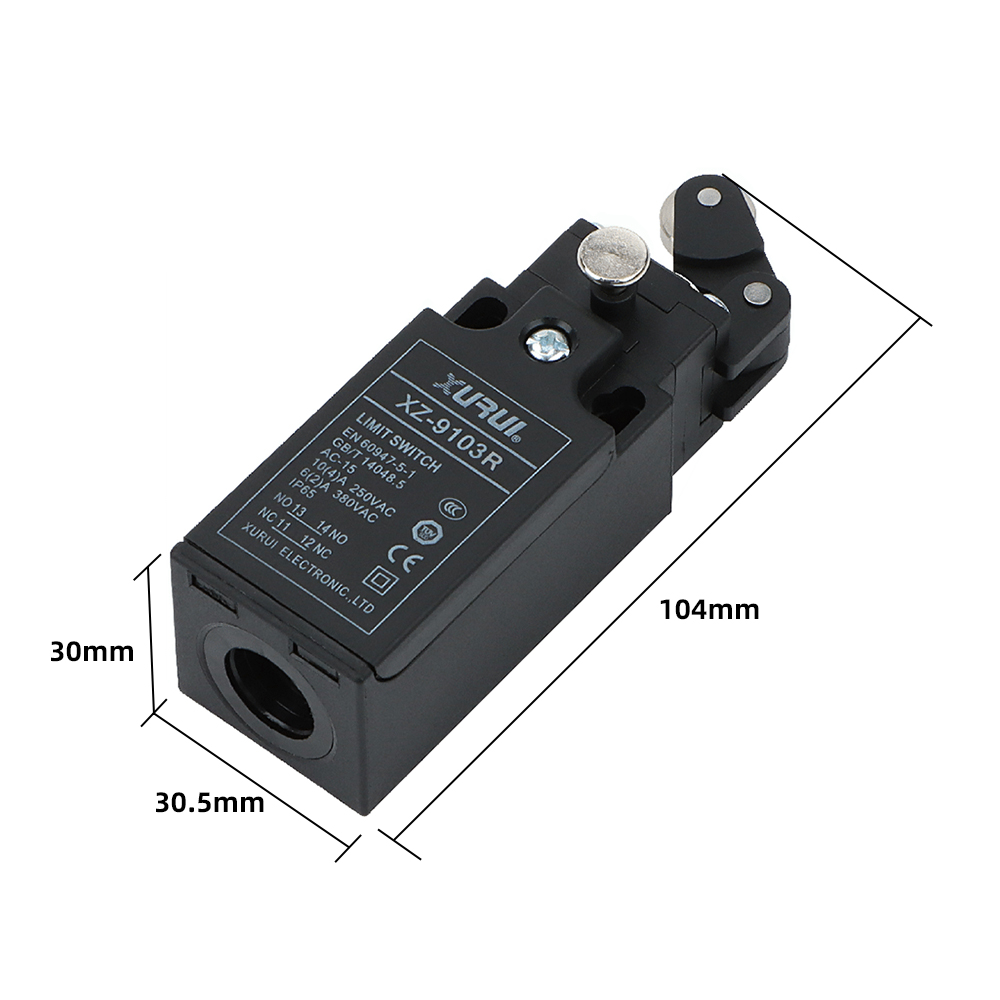
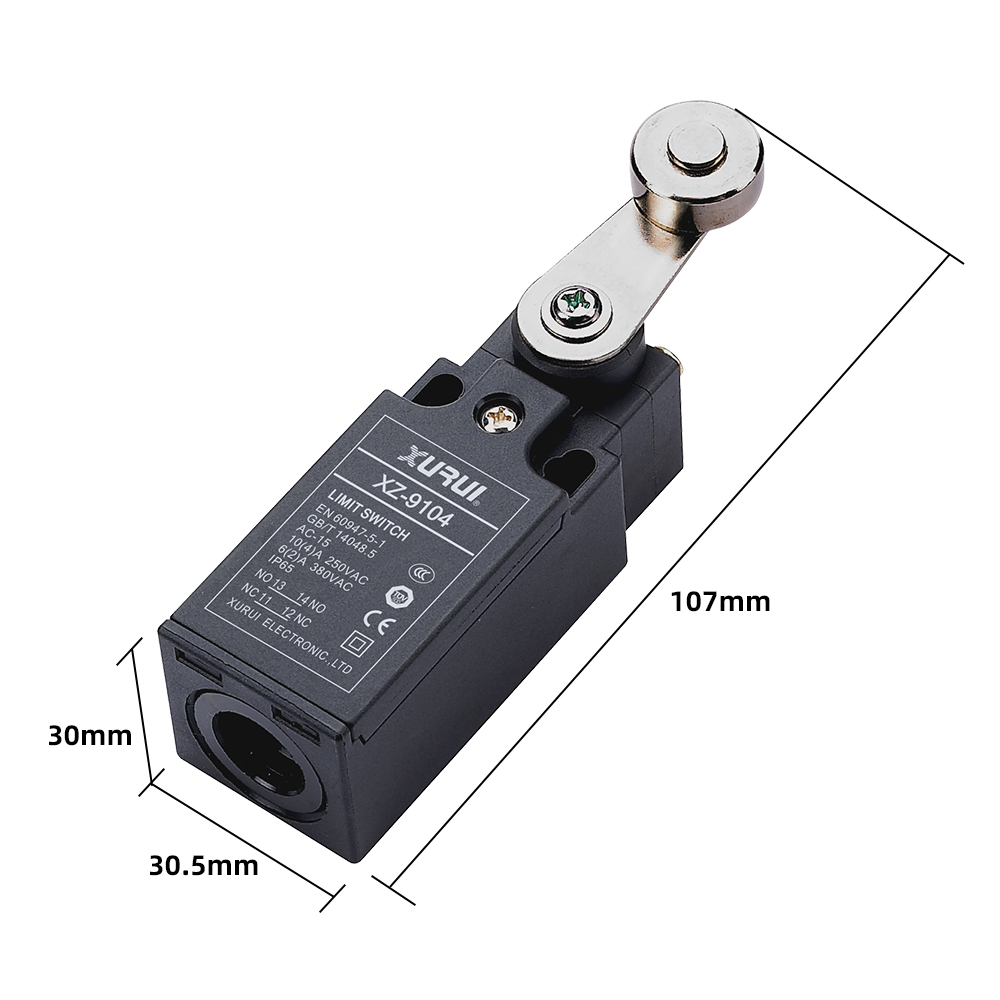
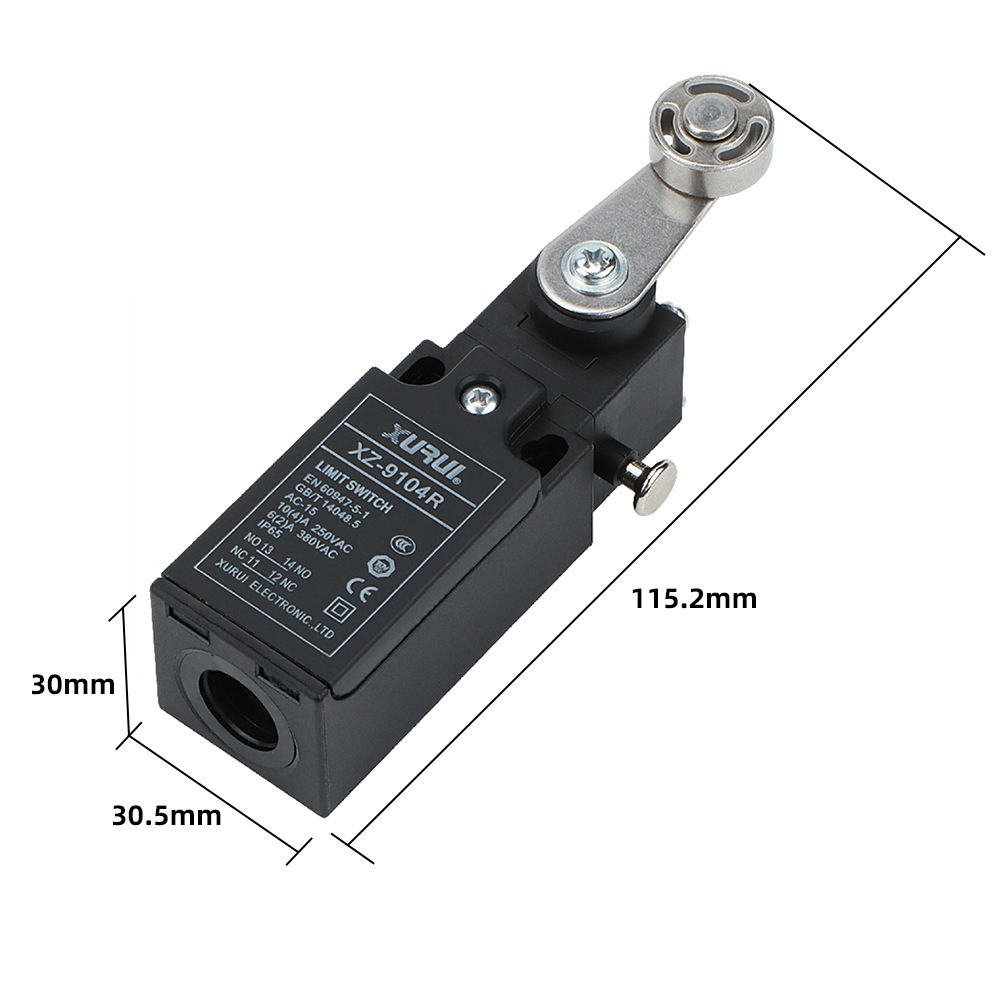
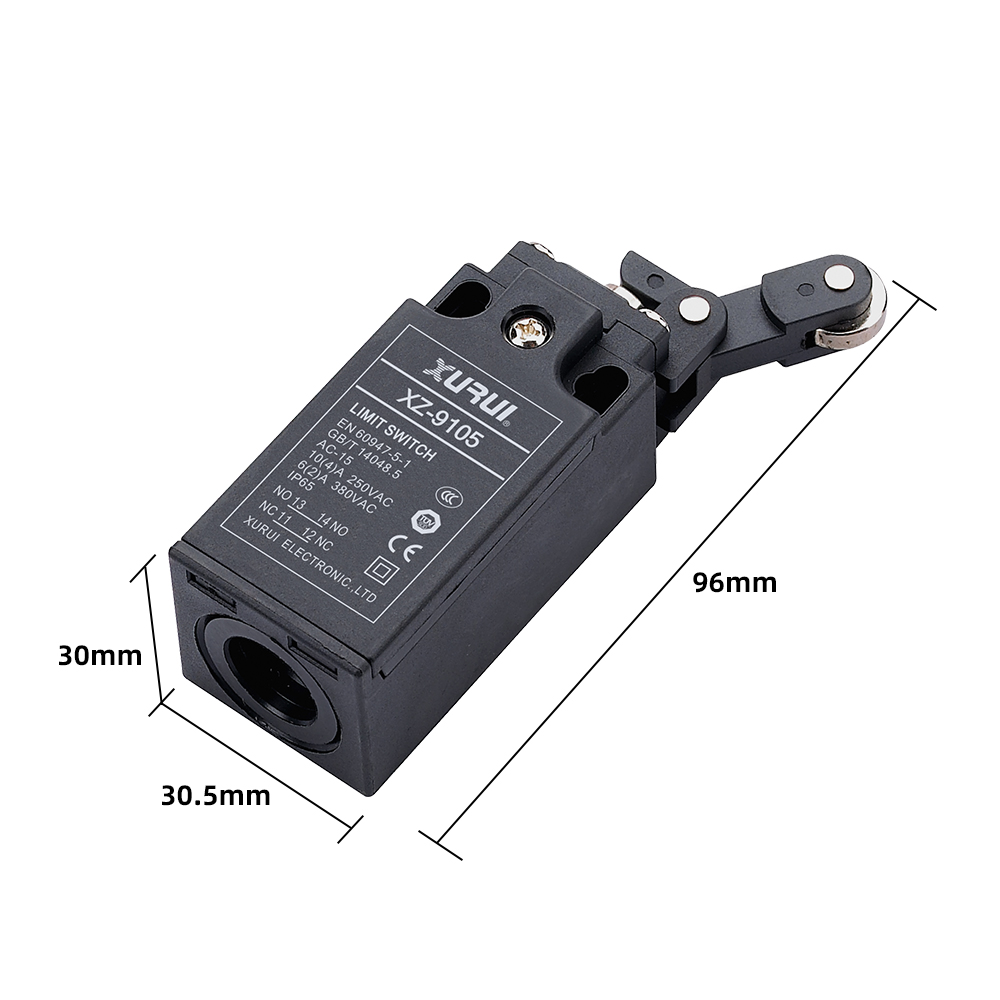
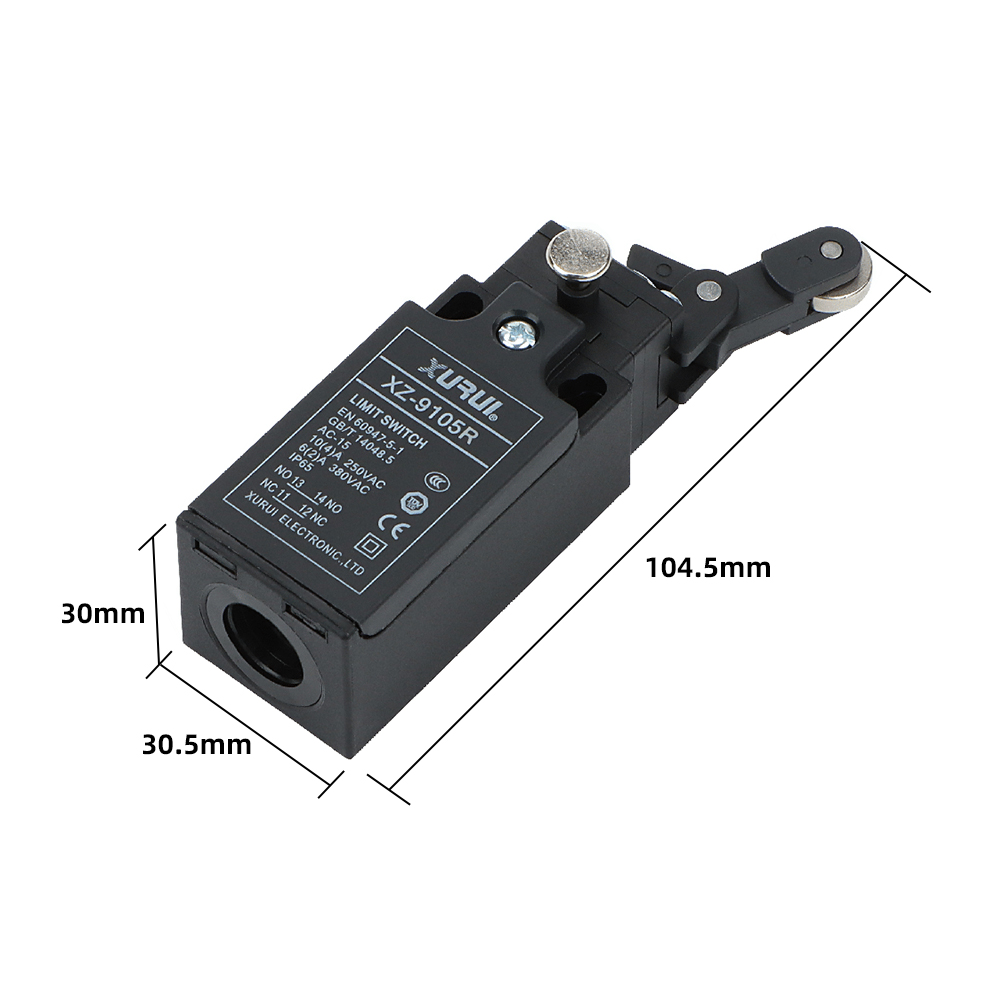
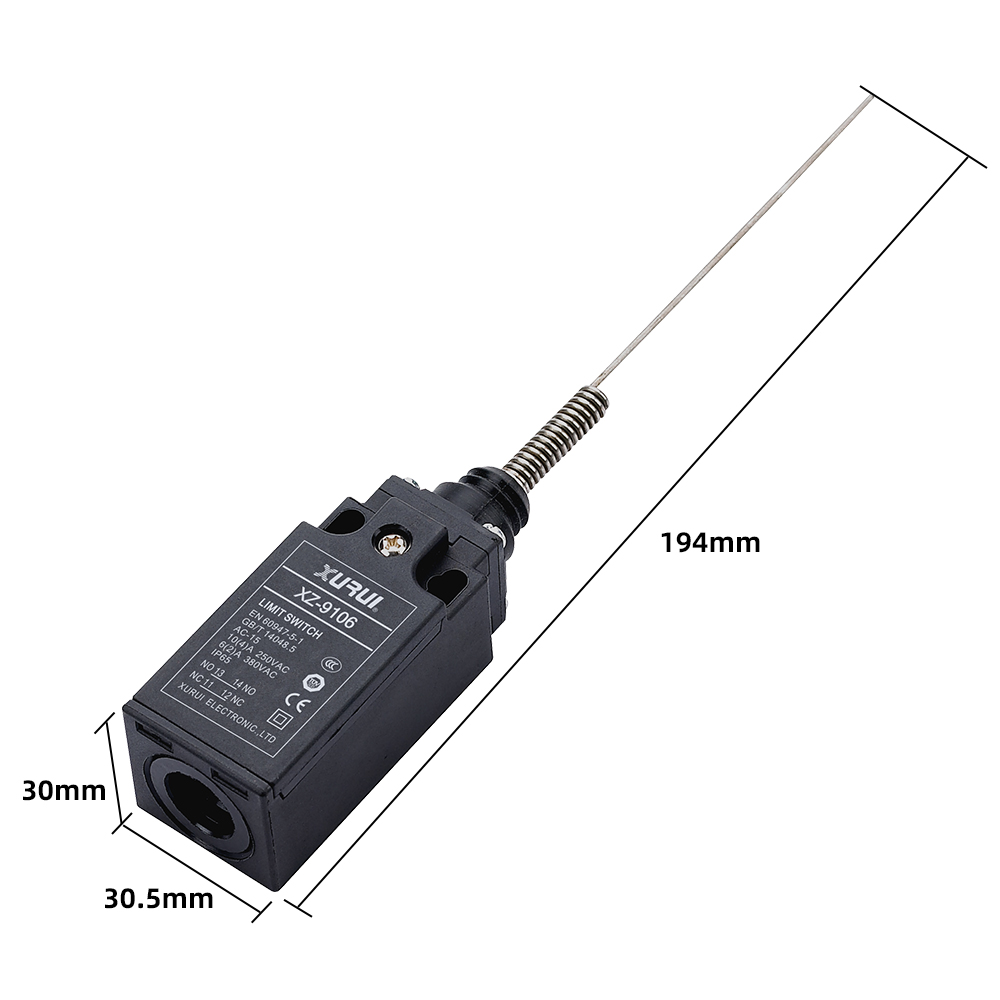
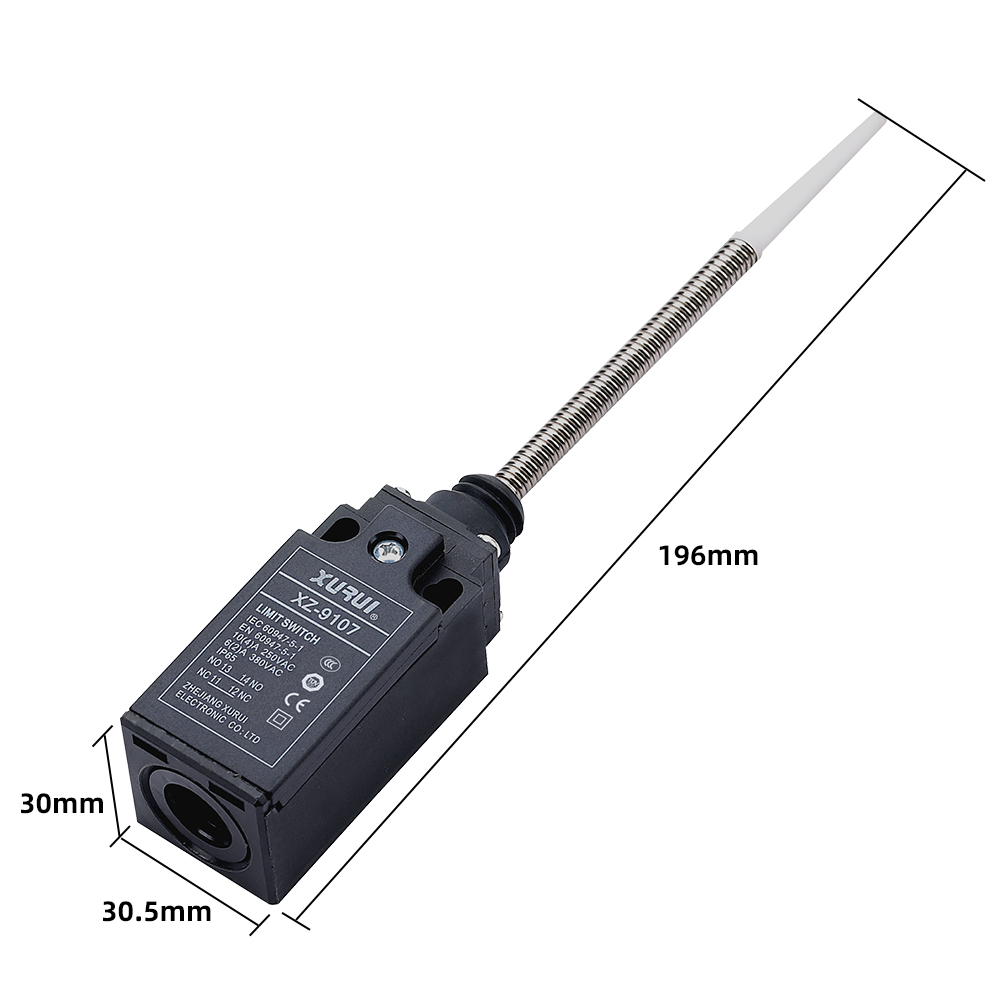
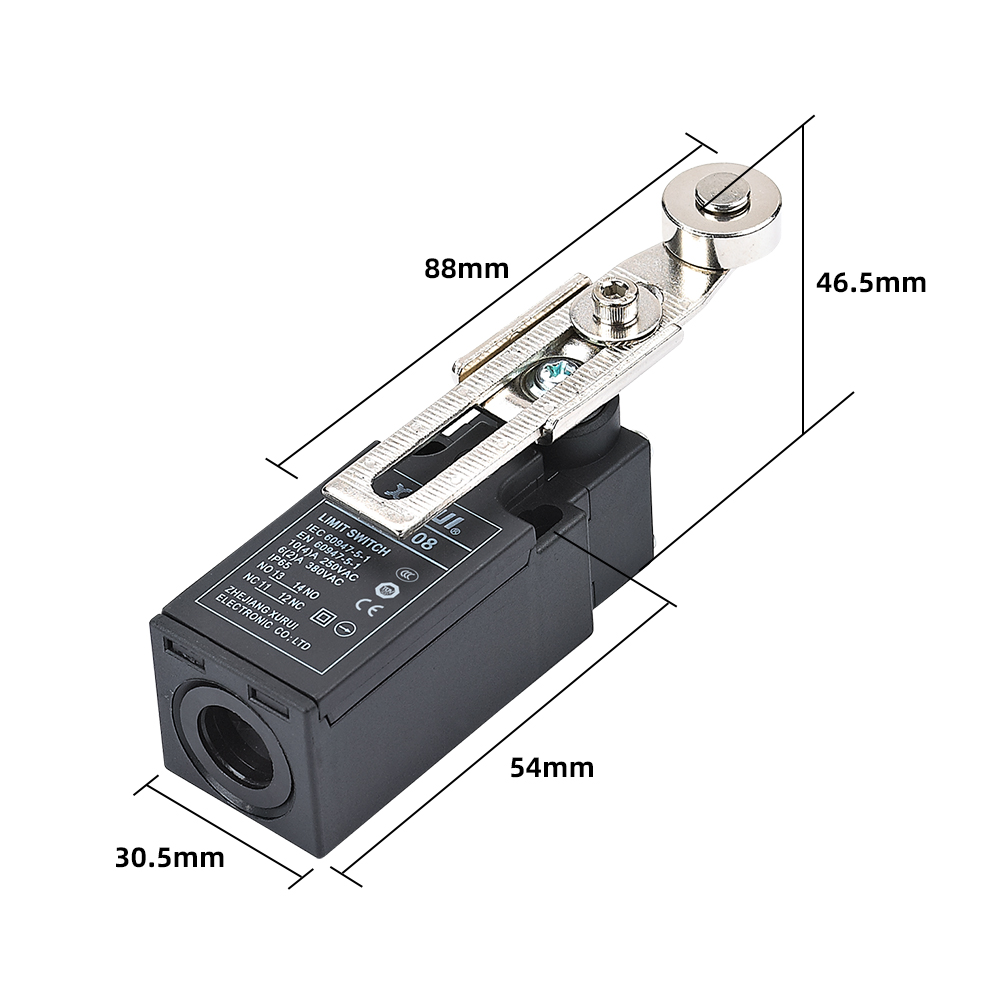
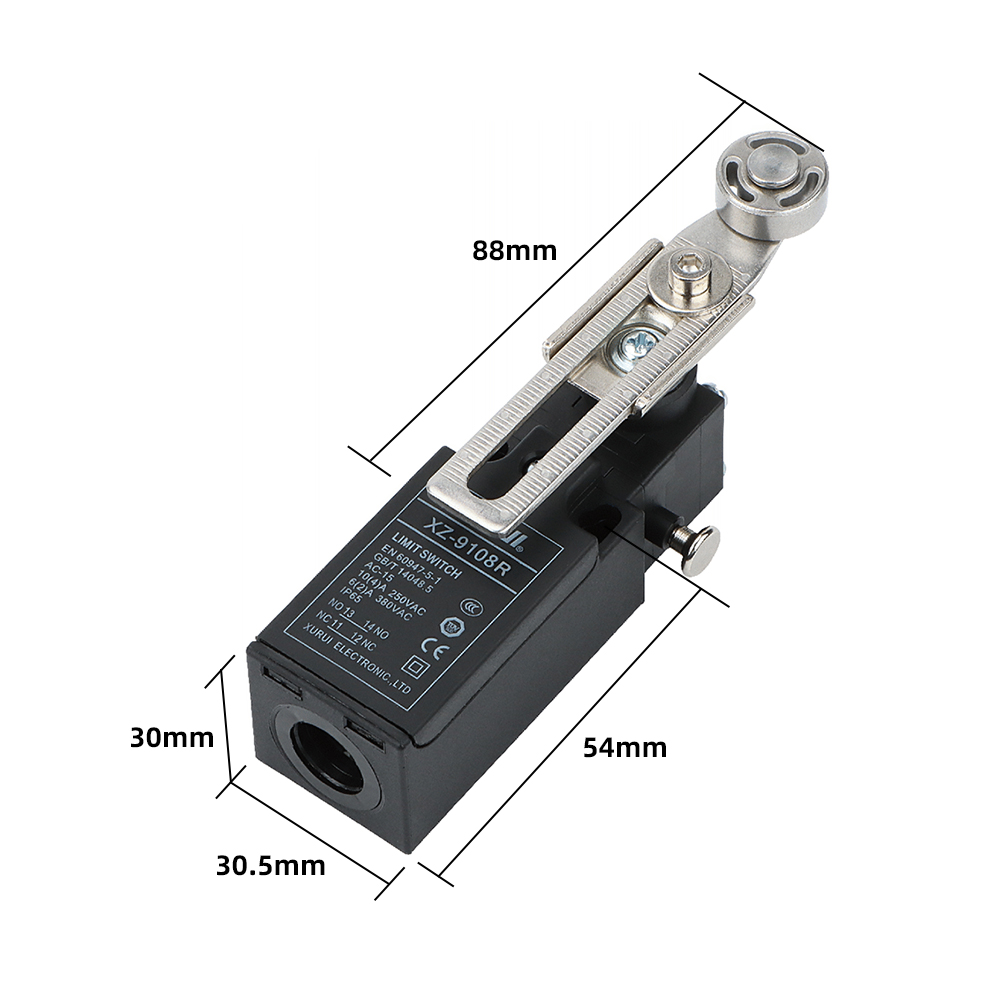
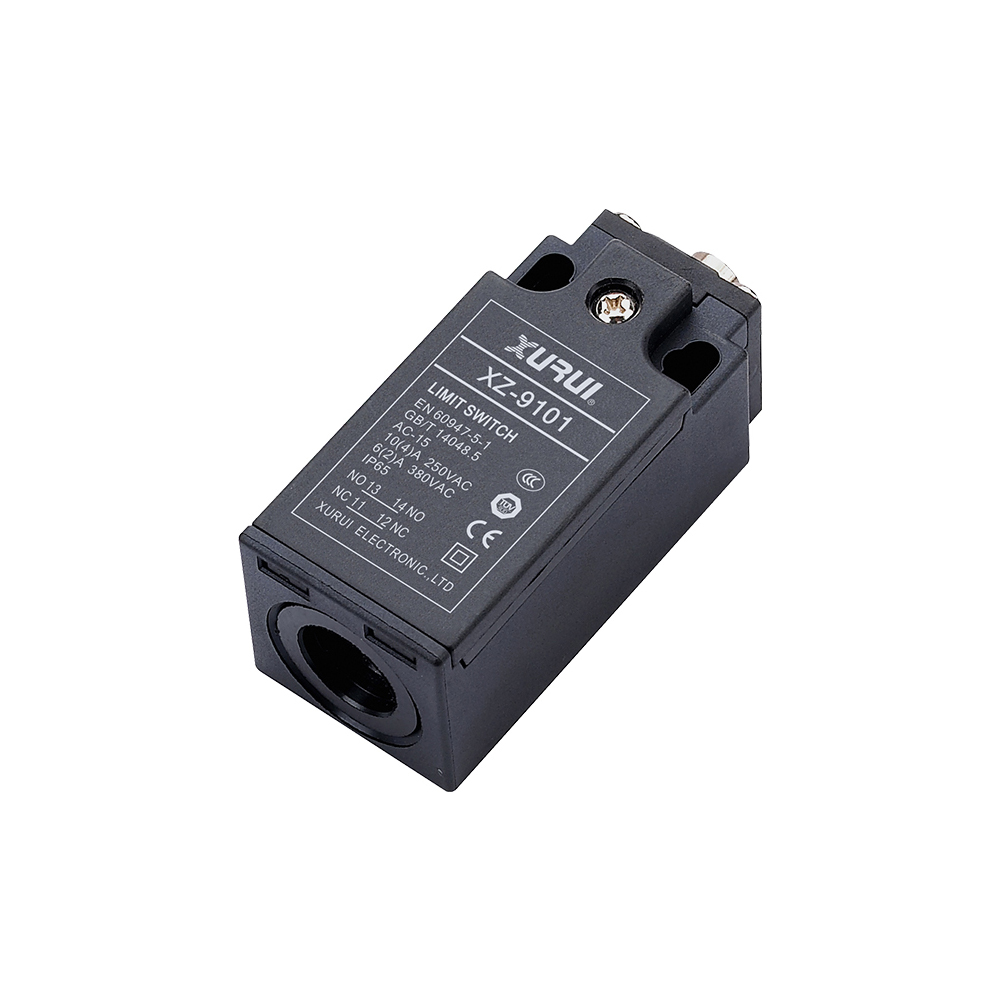
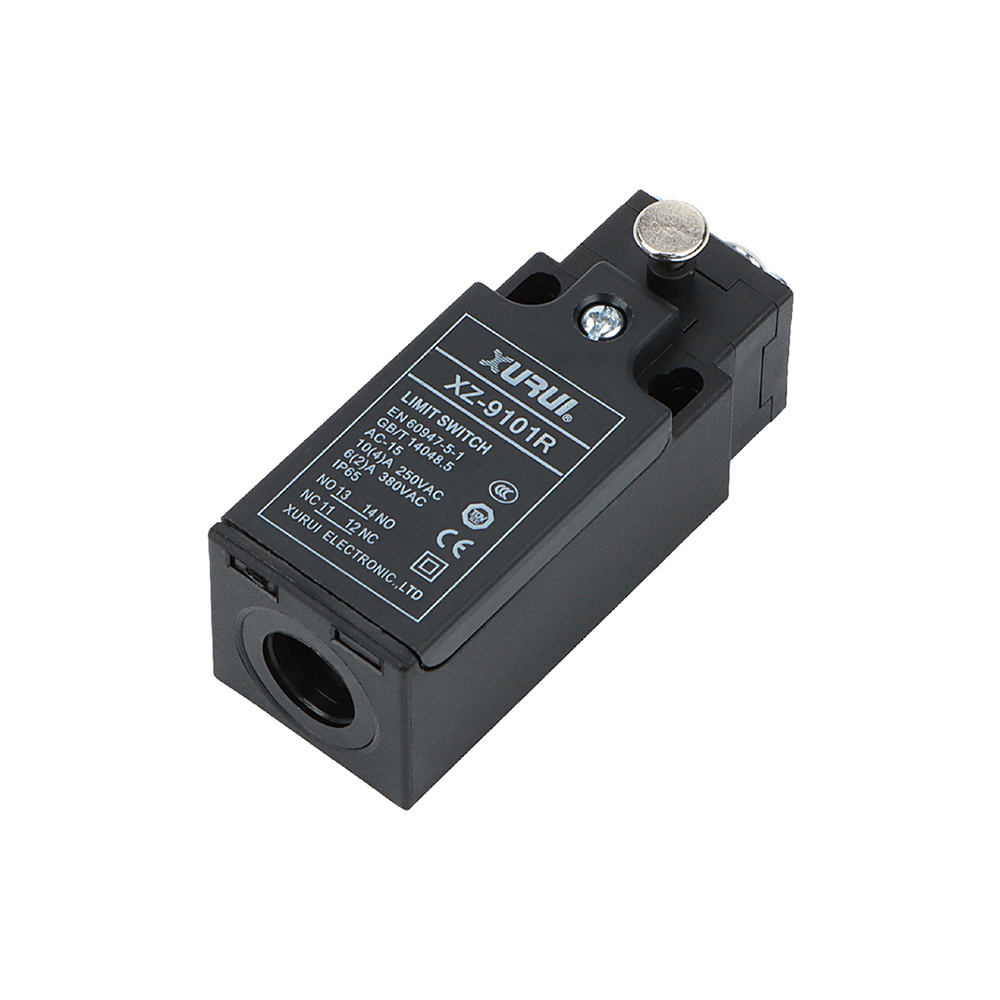
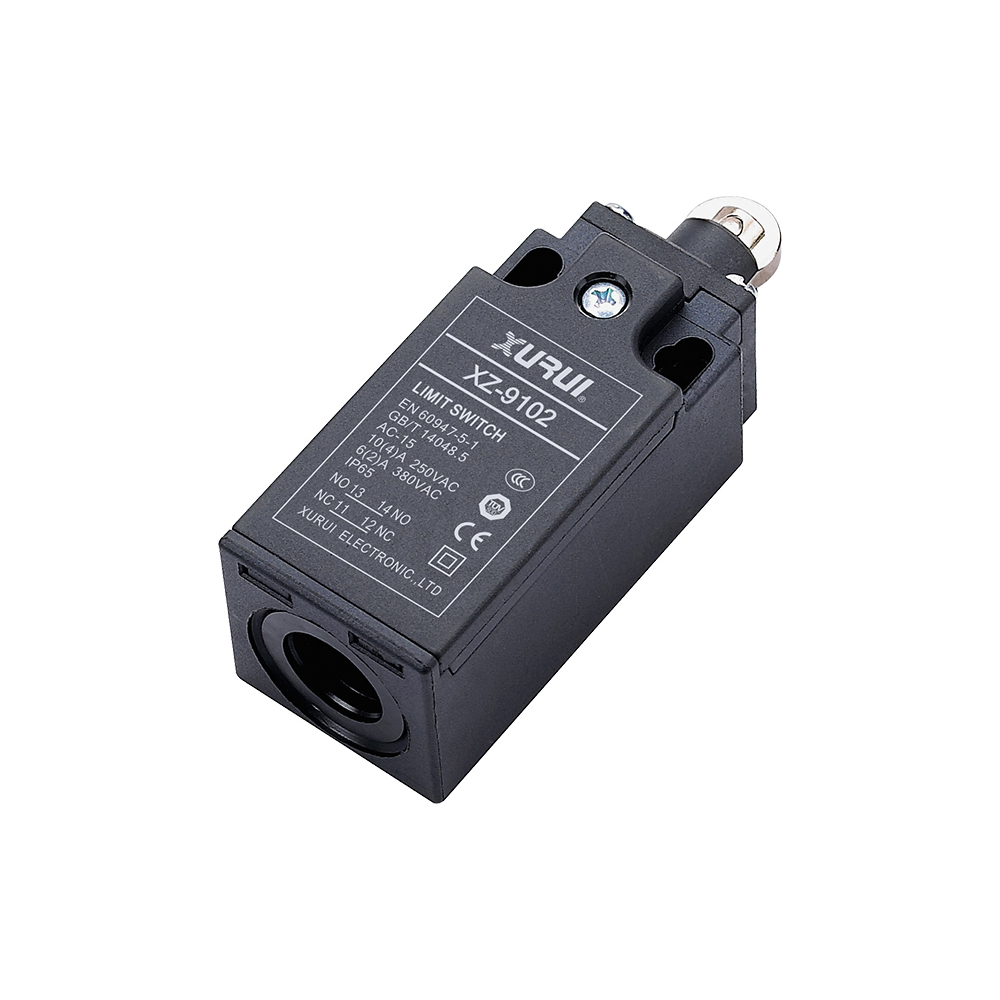
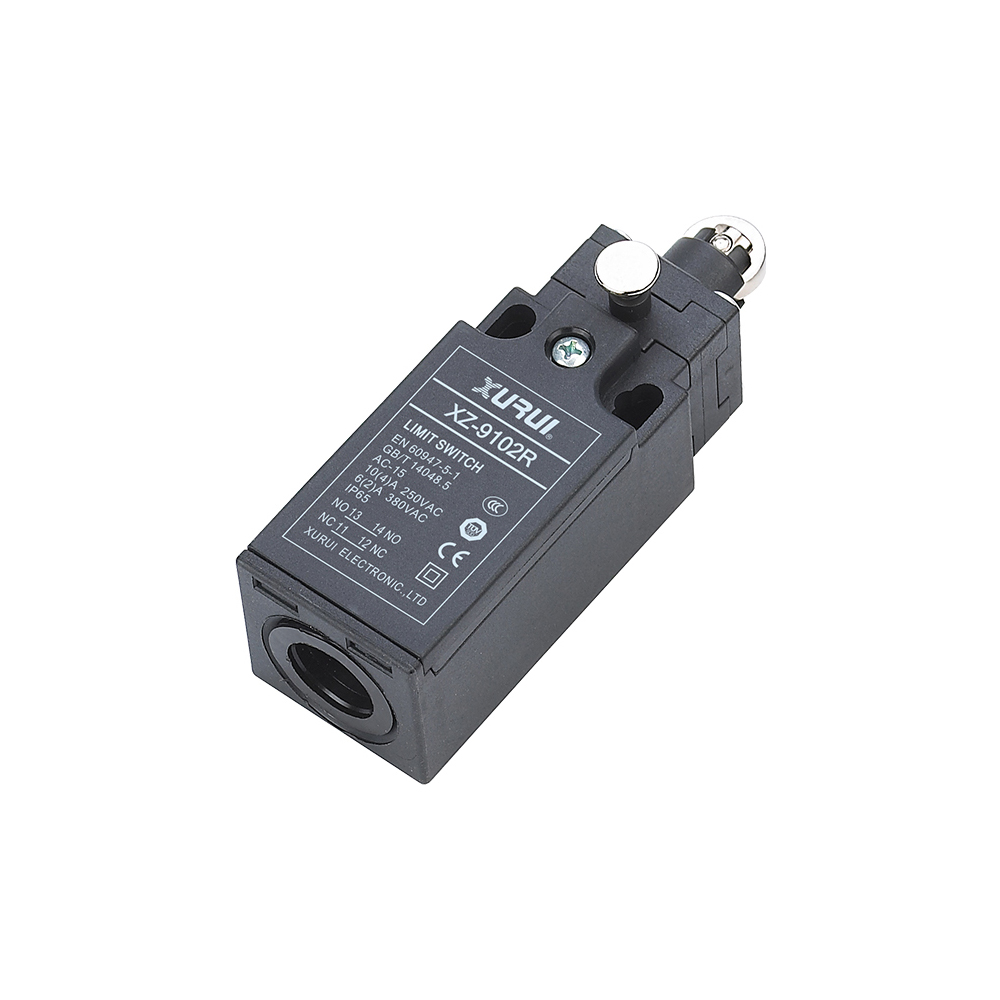
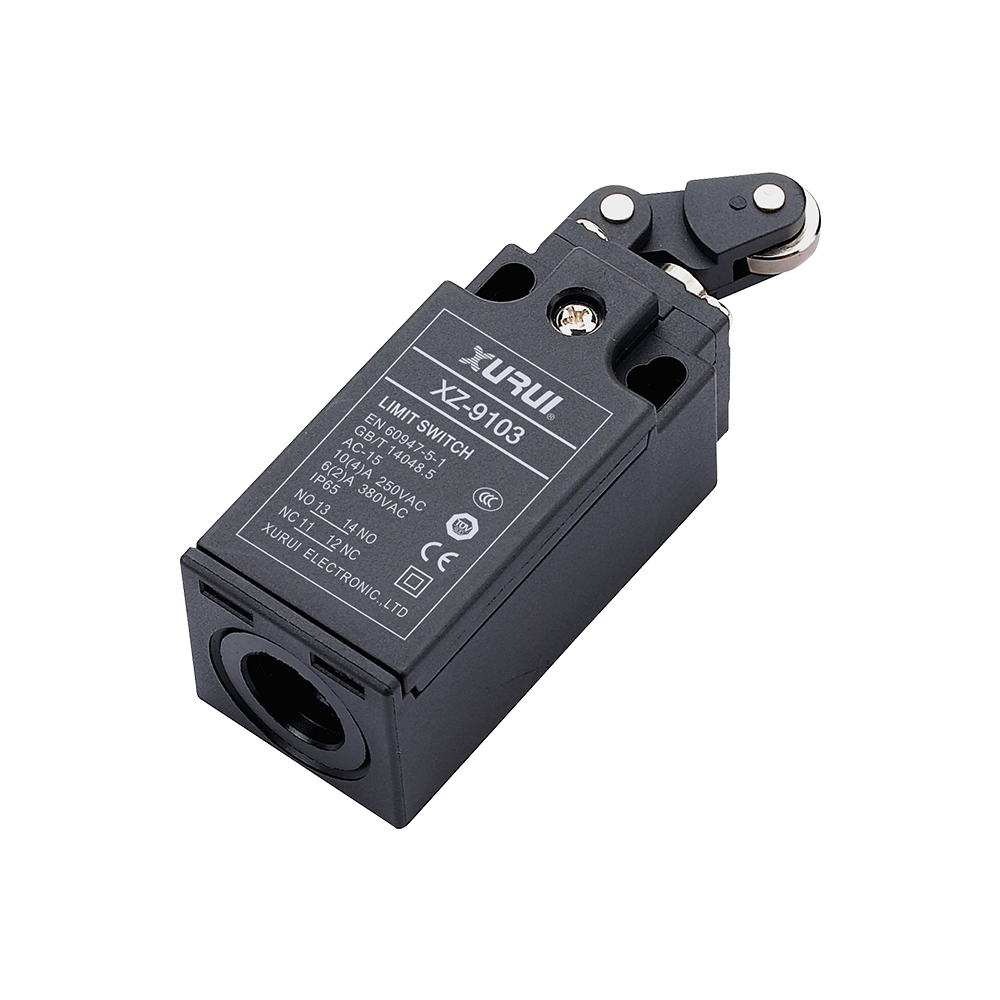
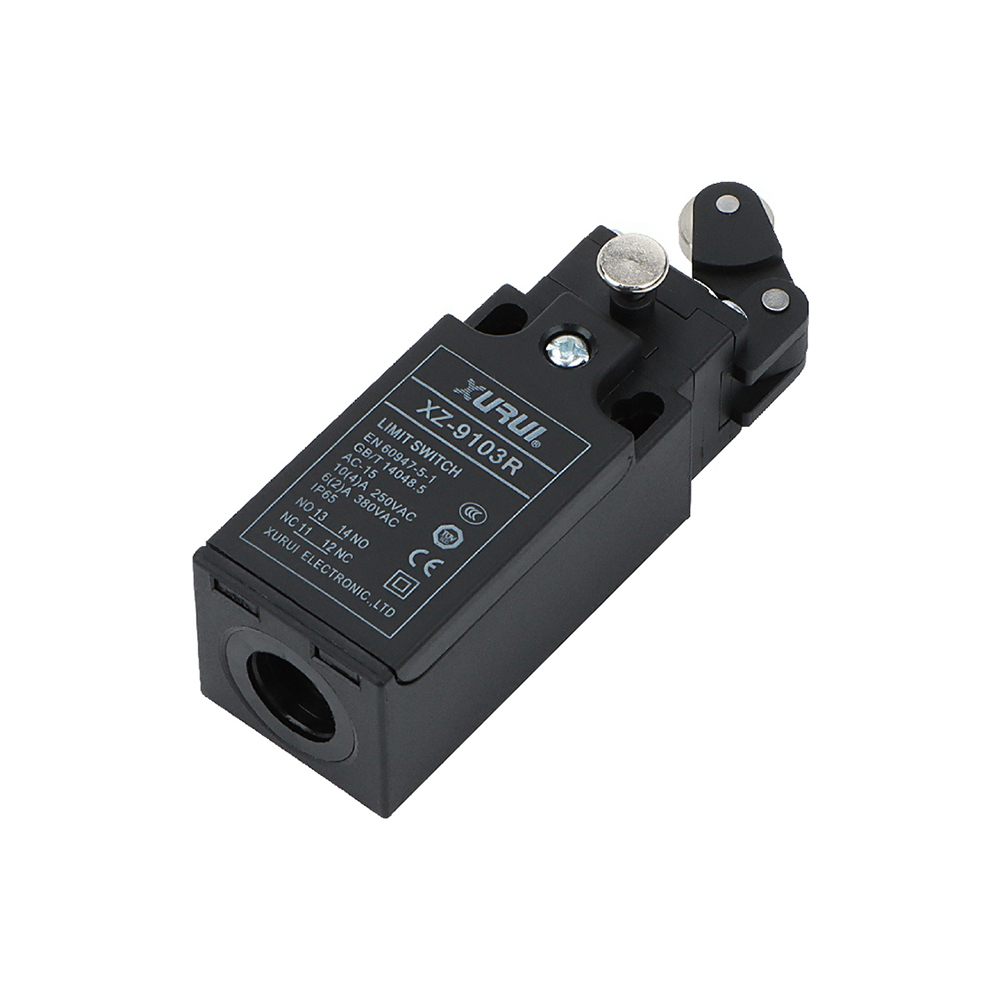
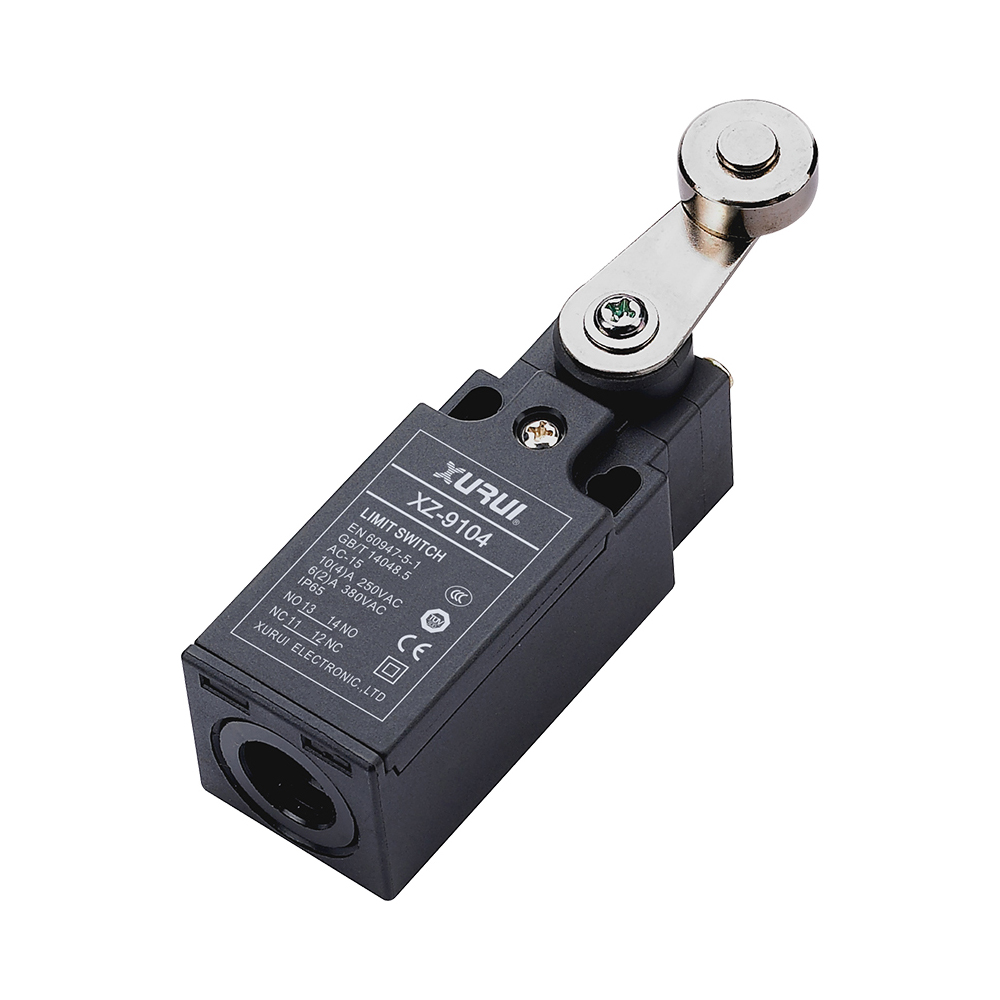
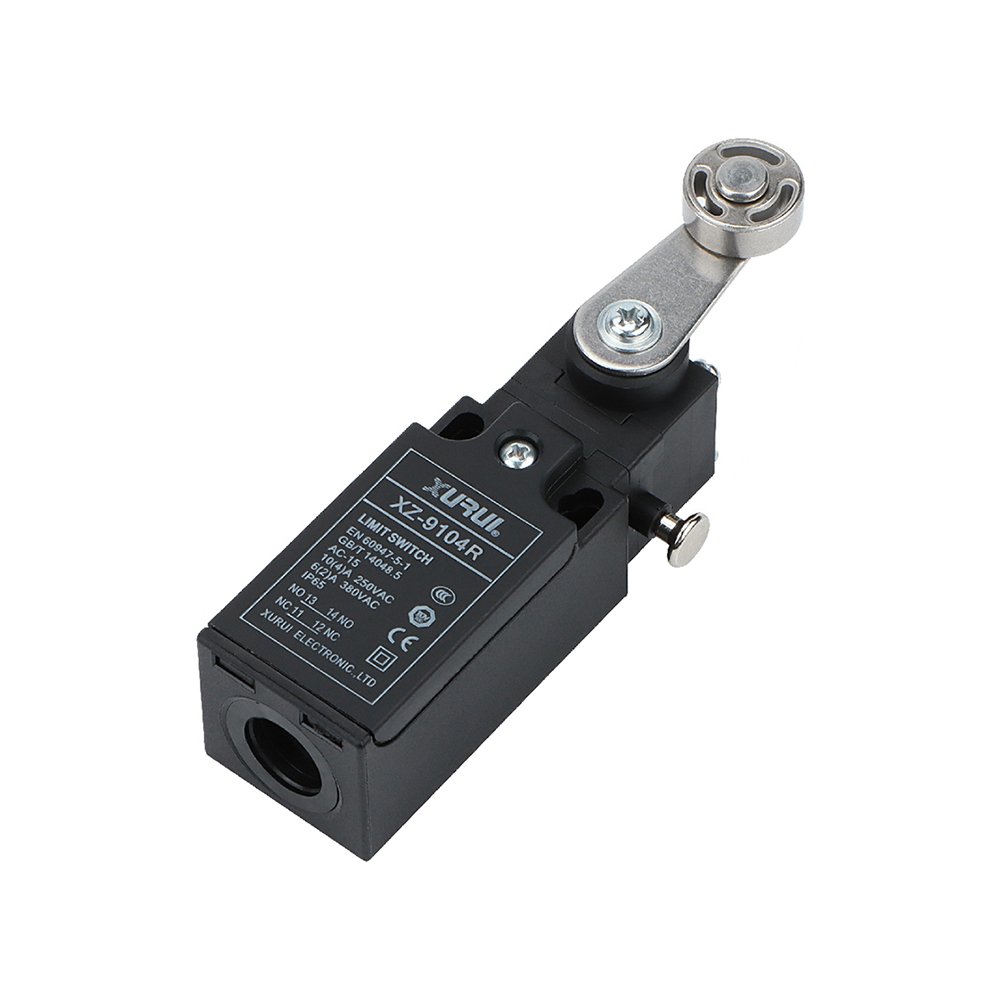
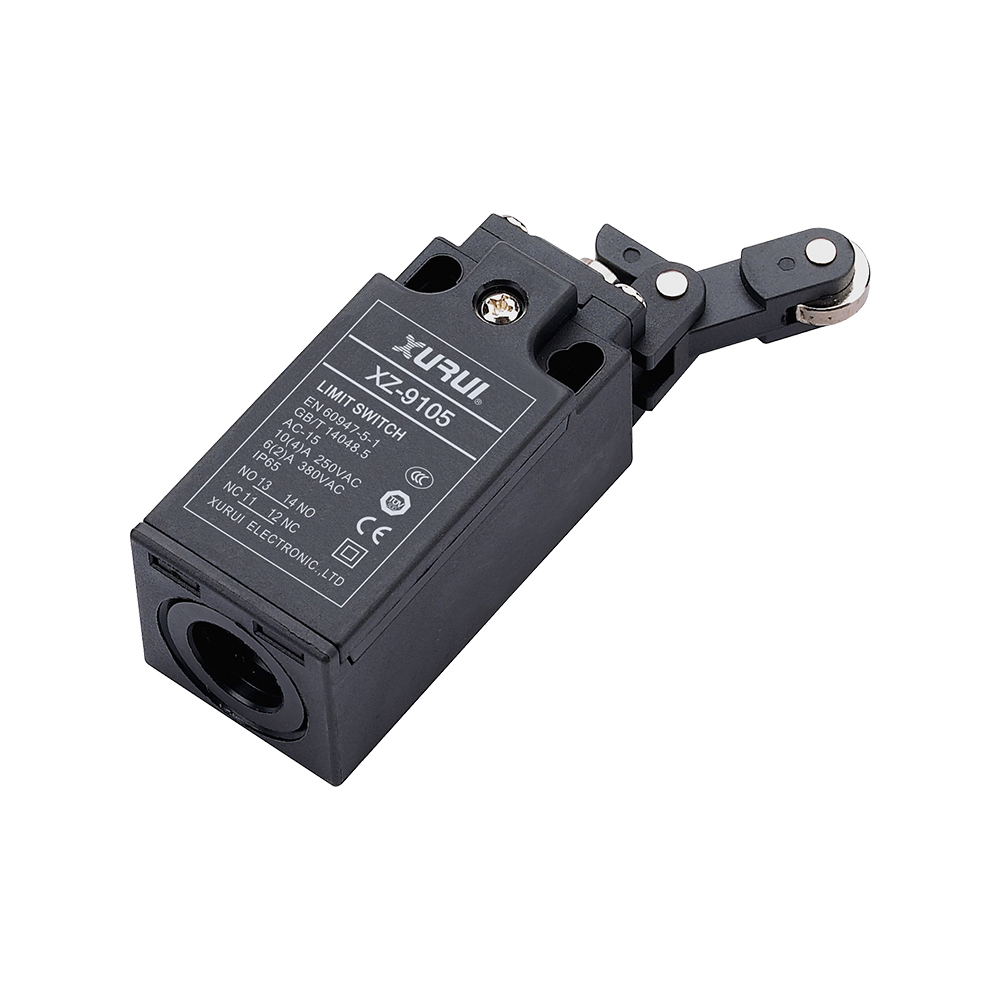
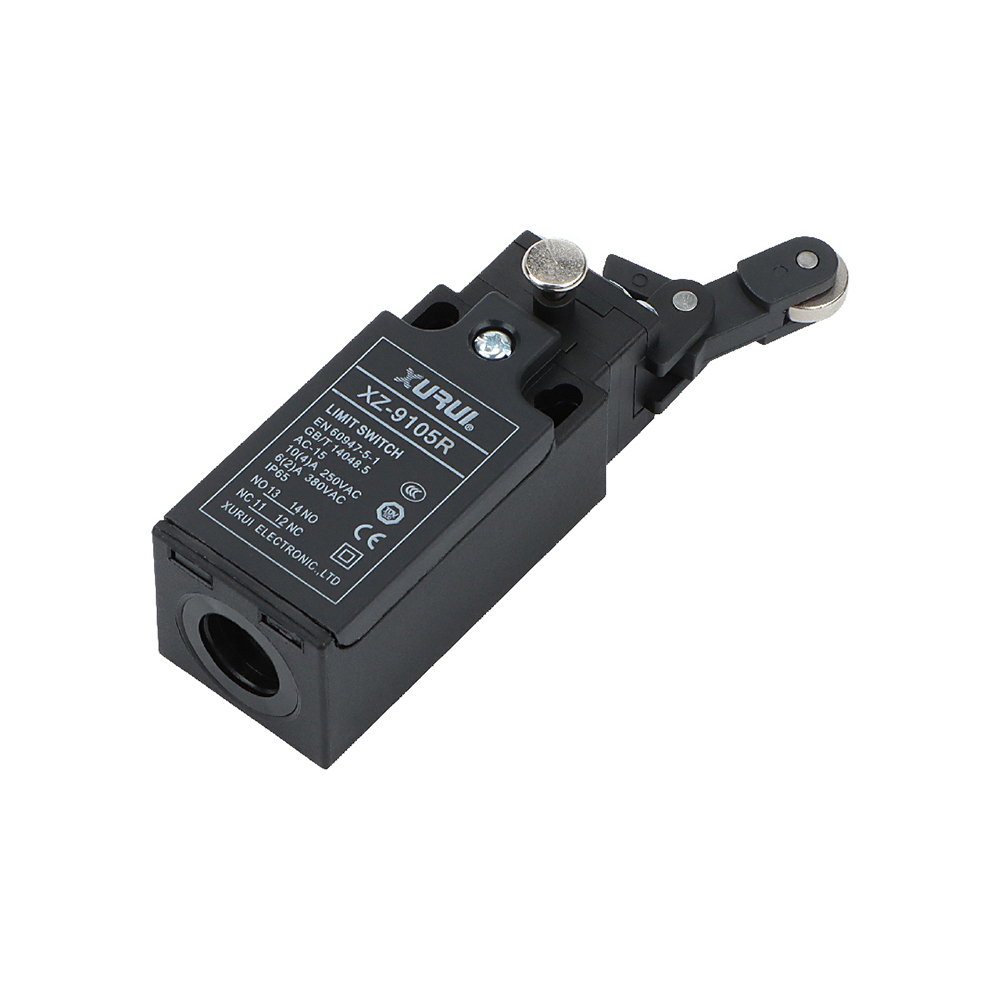
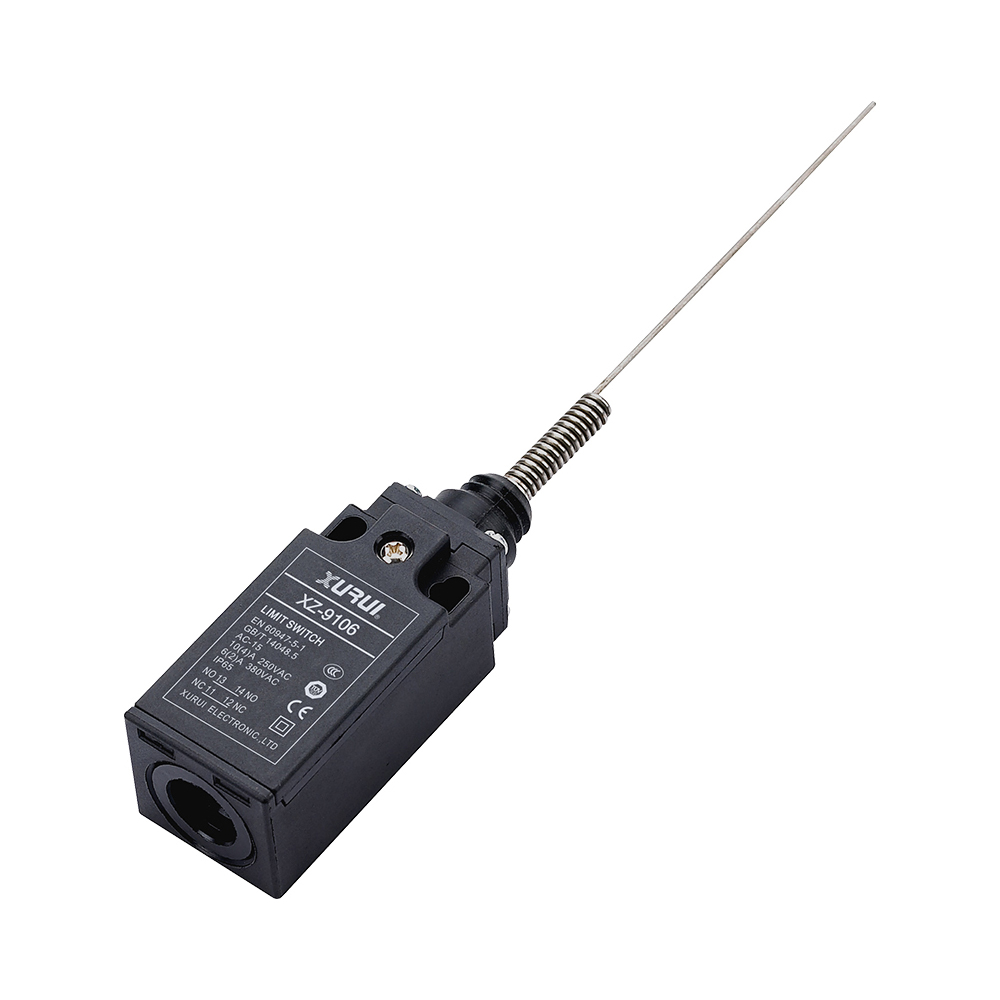
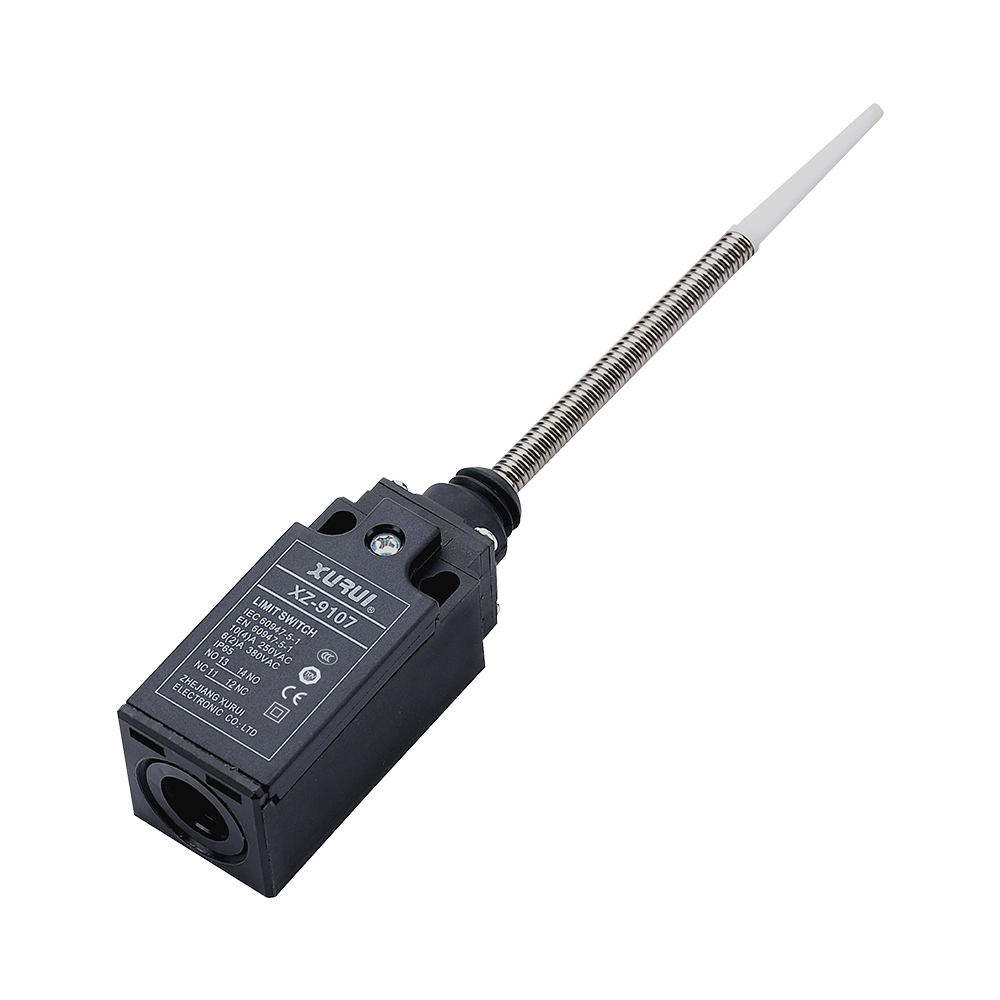
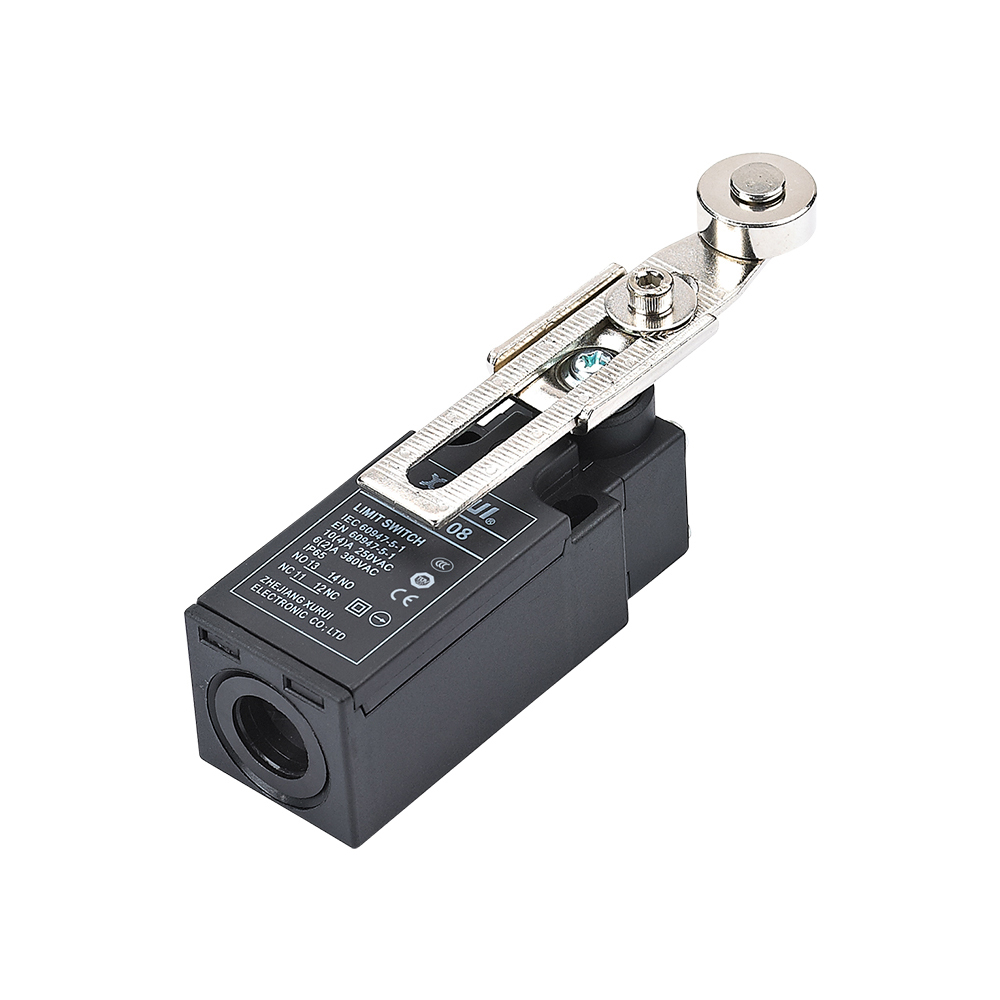
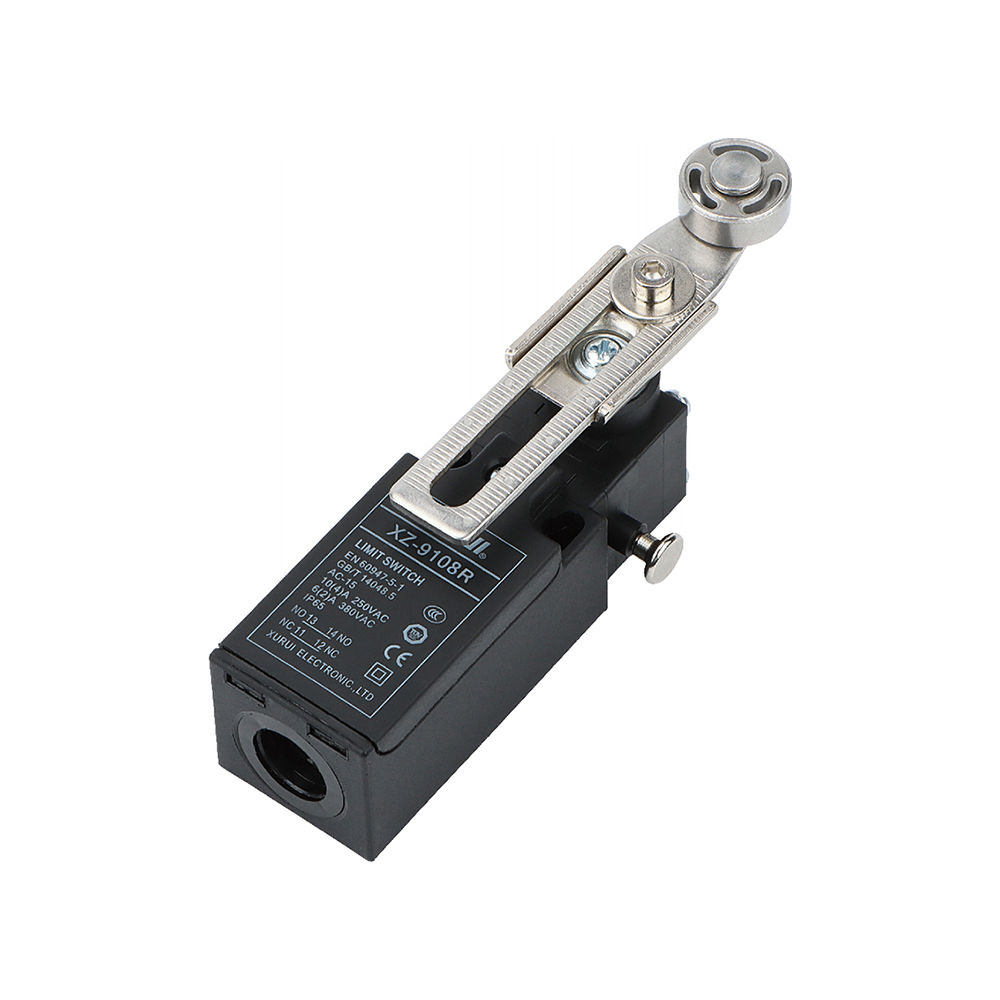
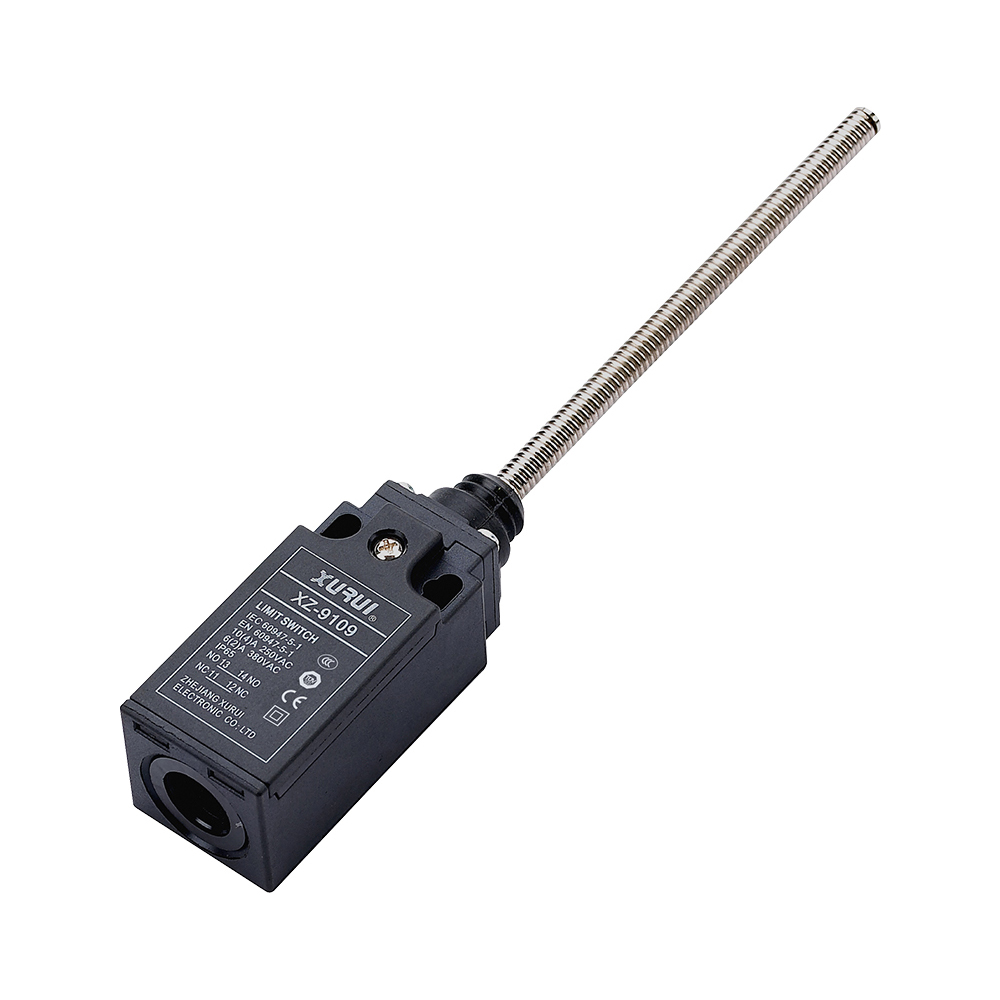
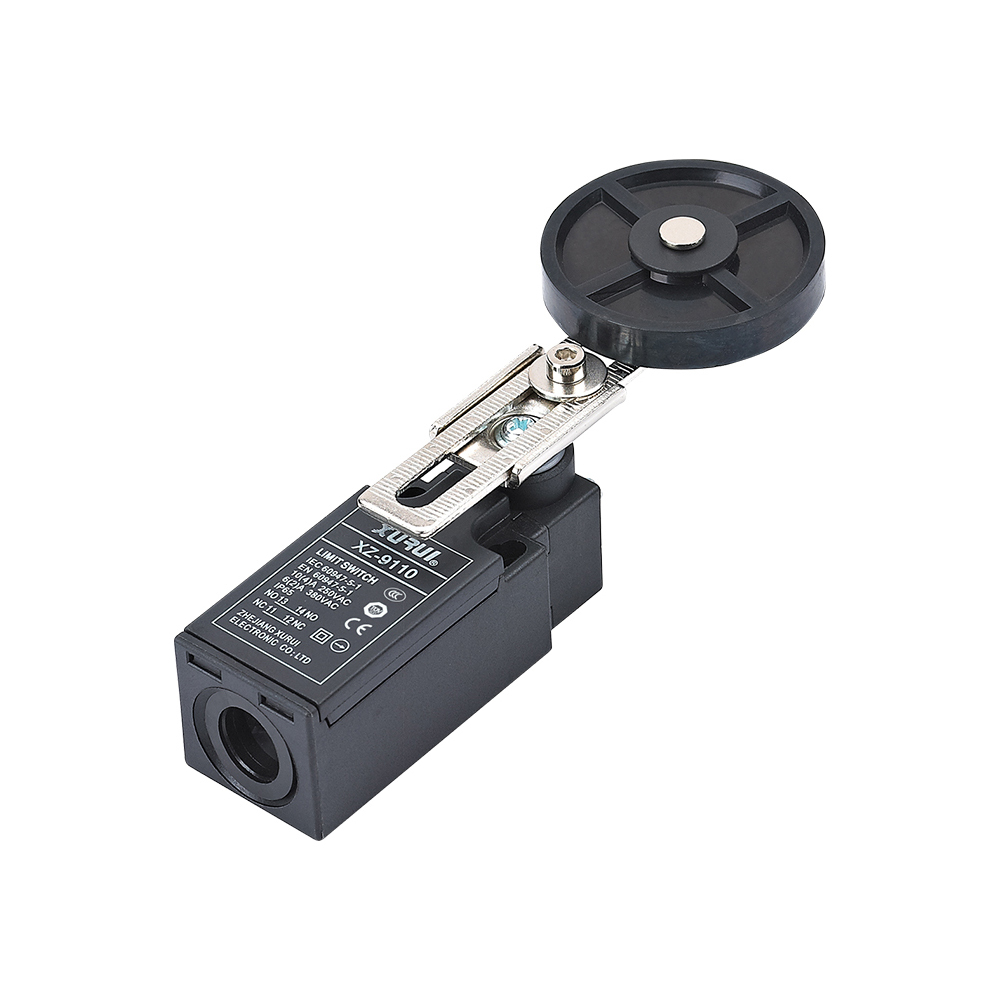
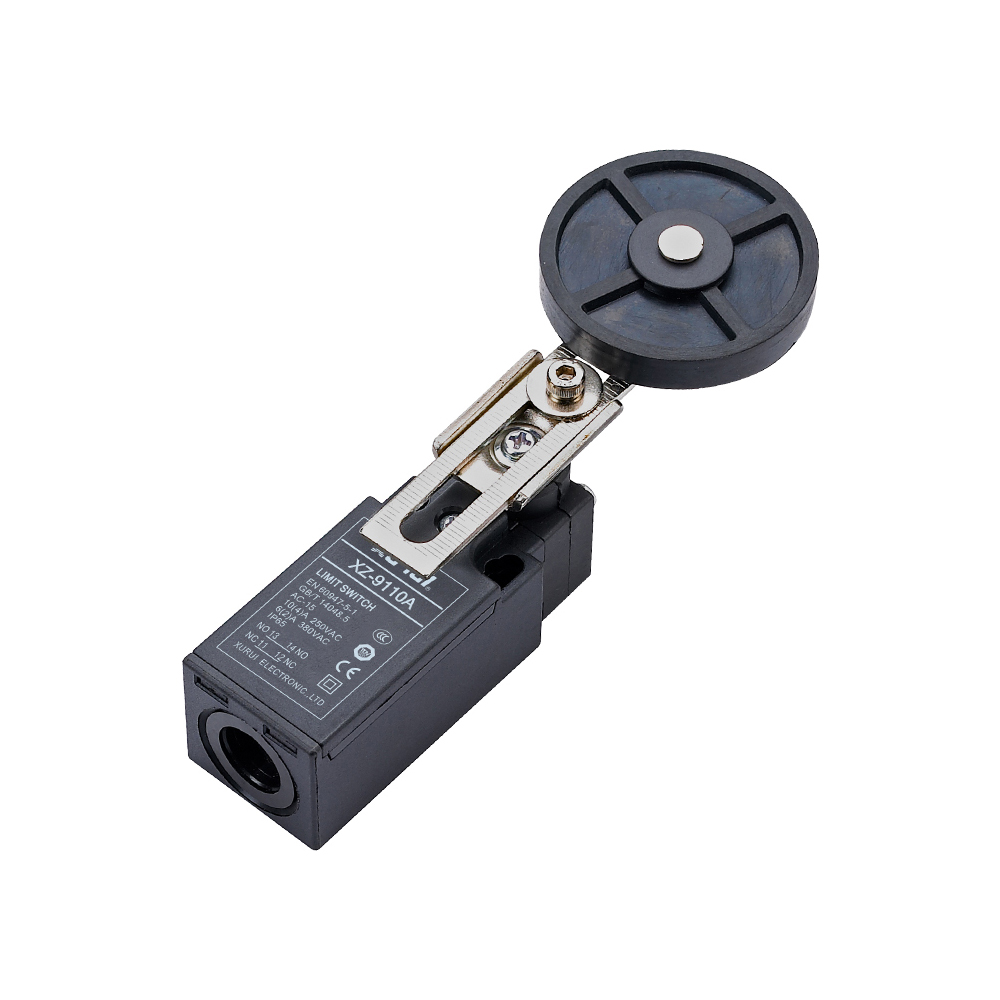
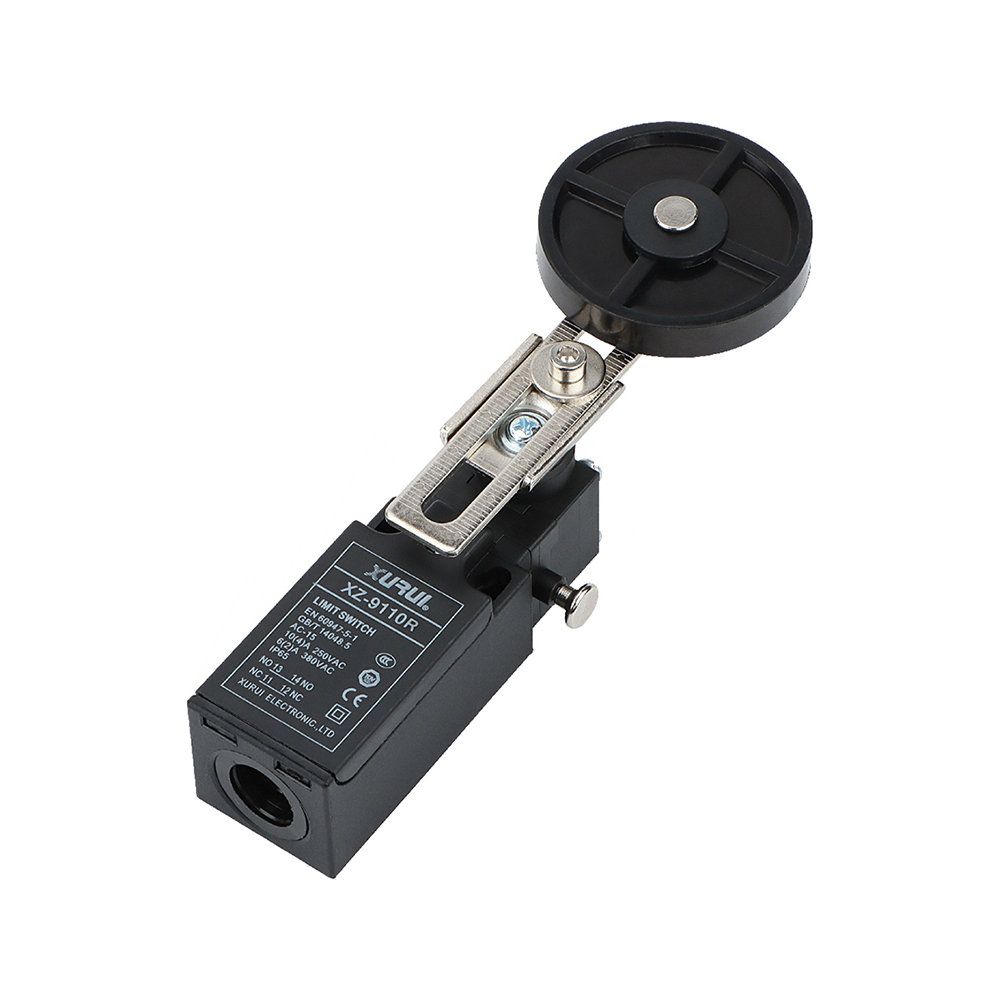
XZ-91 Series Plastic Vertical Limit Switch (10A)

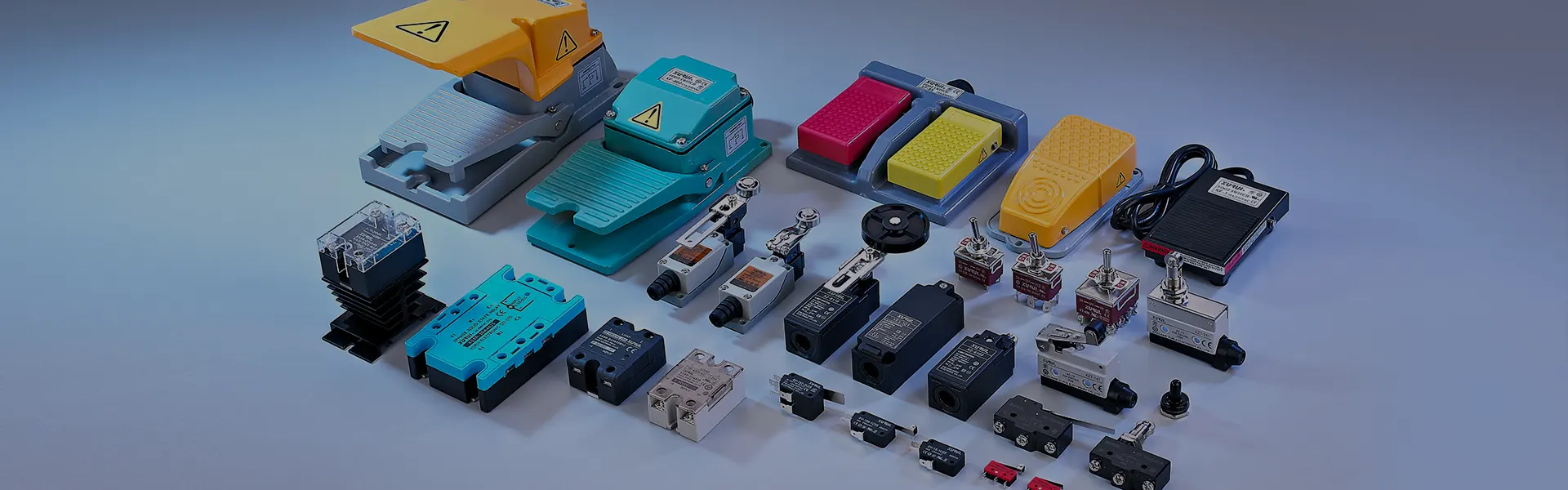
The XZ91 Series Plastic Vertical Limit Switch is a compact industrial limit switch designed for machine automation, conveyor systems, packaging equipment, safety interlocking, and position detection applications. Featuring a durable engineering plastic housing, sealed construction, multiple contact configurations, and optional automatic or manual reset mechanisms, the XZ91 series delivers reliable switching performance in demanding industrial environments.

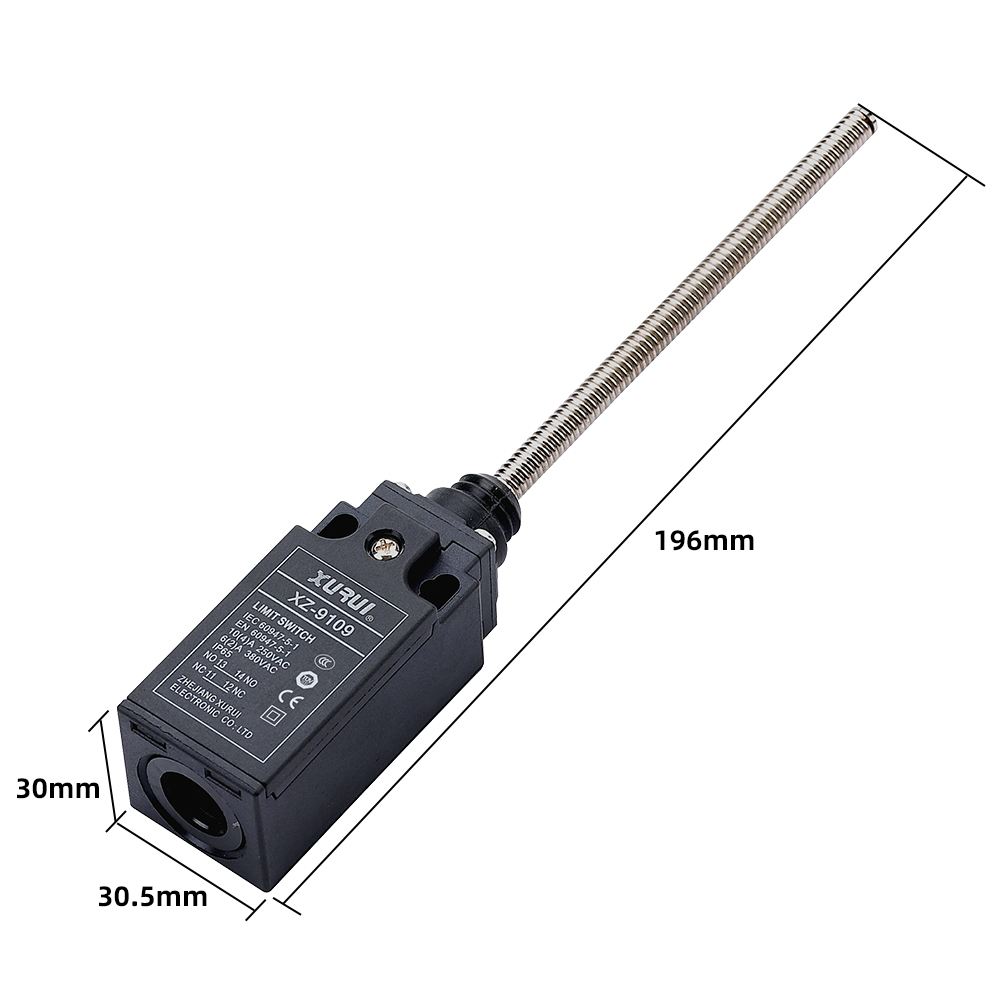
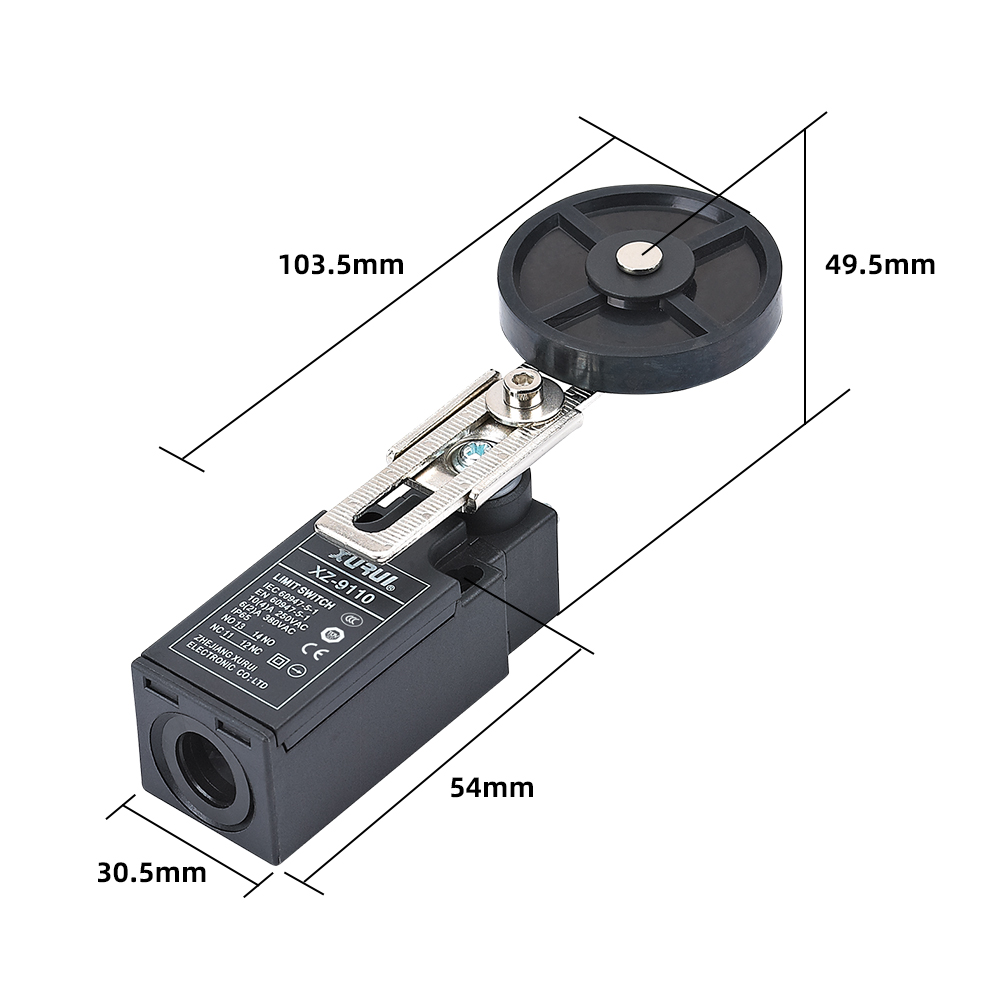
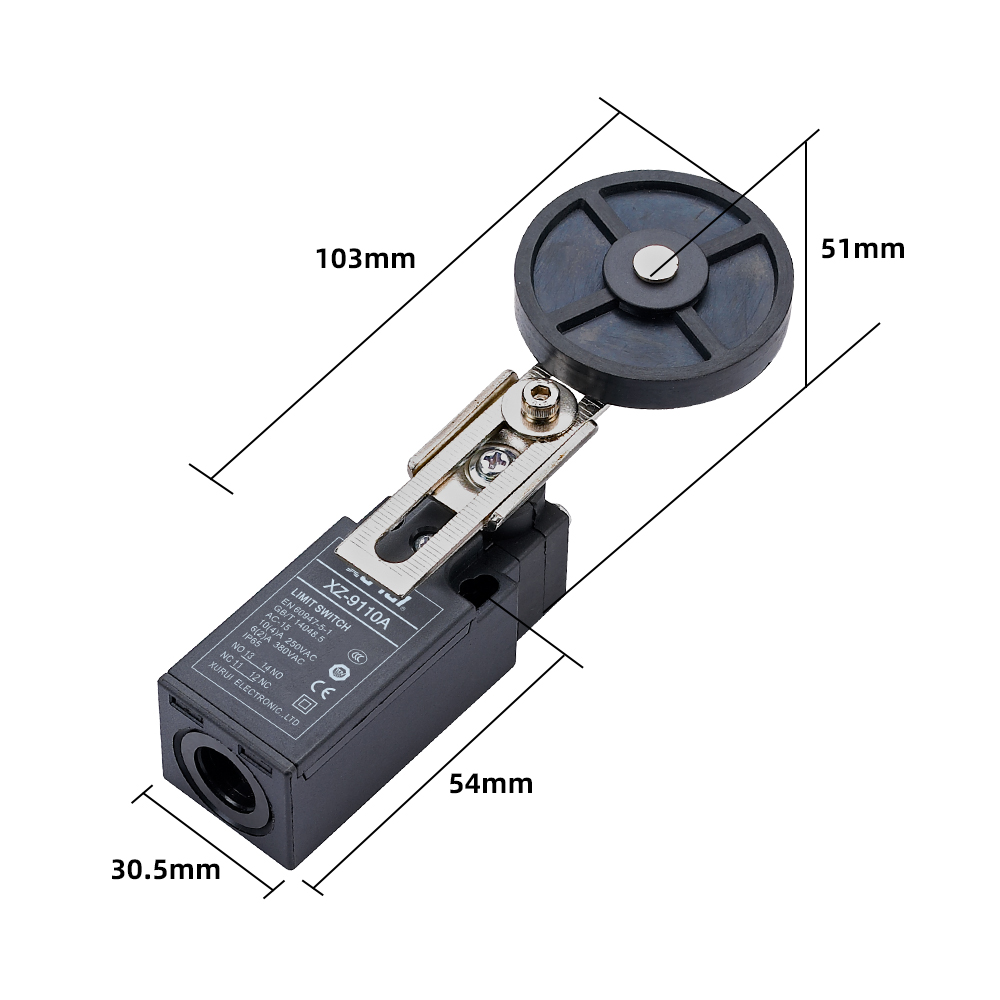
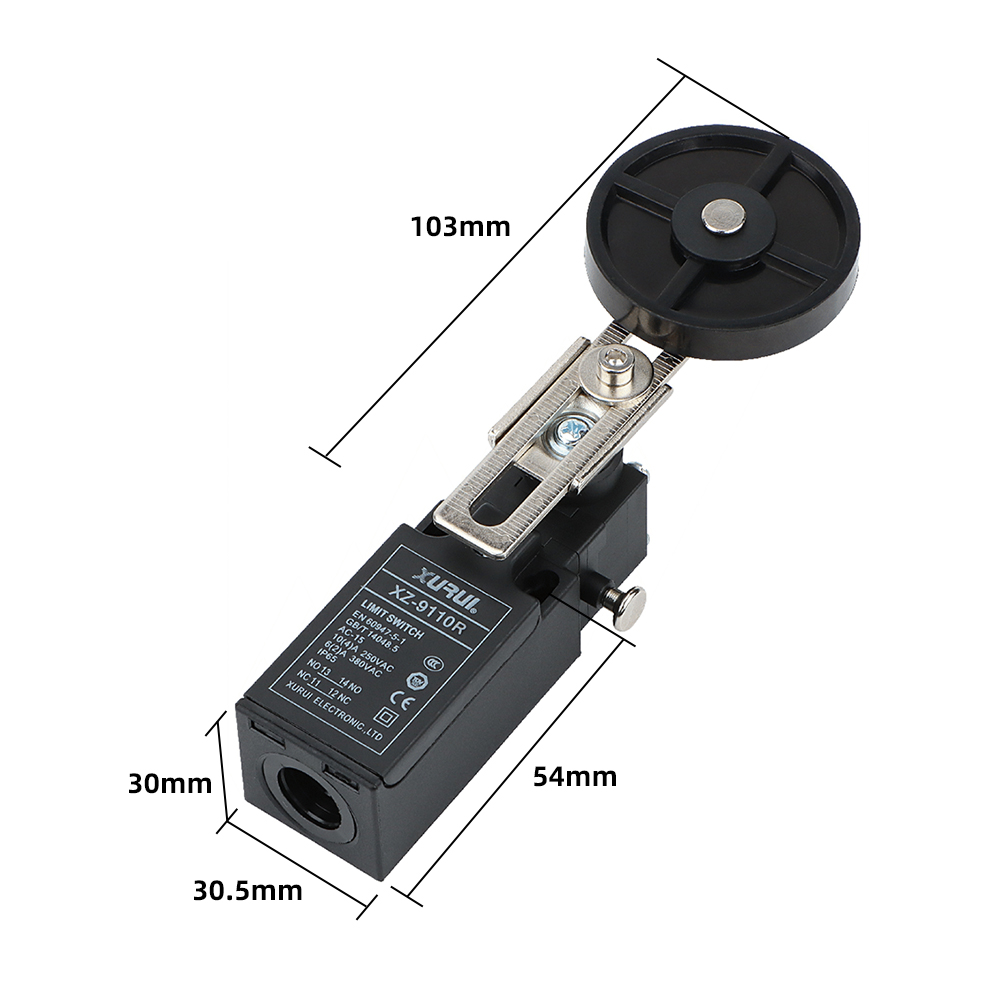
With a 10A switching capacity, IP65 protection rating, and an extensive selection of actuator styles including plungers, roller levers, flexible rods, wobble sticks, and large roller arms, the XZ91 series provides a versatile solution for machine control, travel limit detection, safety monitoring, and industrial automation systems.

Rated Load: 10A / 250VAC

Additional Ratings: 3A / 1240VAC, 0.27A / 1250VDC

Contact Configuration: 1NO+1NC, 2NC, 2NO, 1NC+2NO, 2NC+1NO, 3NC (Depending on Model)

Protection Degree: IP65

Mechanical Life: ≥1,000,000 Operations

Electrical Life: ≥100,000 Operations

Operating Speed: 5mm – 0.5m/s

Operating Temperature: -10°C to +70°C

Insulation Resistance: ≥100MΩ (DC500V)

Contact Resistance: ≤25mΩ (Initial Value)

Housing Material: Reinforced Engineering Plastic

Reset Options: Automatic Reset or Manual Reset

2e68a3da4c690a02.webp

Product Features
  • Flexible Configuration Selection
    Flexible Configuration Selection

    Comprehensive actuator and contact options reduce inventory requirements and simplify equipment design.

  • Easy Installation and Maintenance
    Easy Installation and Maintenance

    Standardized mounting dimensions simplify equipment integration and replacement.

  • Excellent Electrical Performance
    Excellent Electrical Performance

    Low contact resistance and high insulation resistance provide stable signal transmission and dependable switching.

  • High Mechanical Endurance
    High Mechanical Endurance

    Mechanical life exceeds one million operations, making it suitable for continuous-duty industrial applications.

  • Reliable Position Detection
    Reliable Position Detection

    Stable switching characteristics ensure accurate machine monitoring and travel limit control.

  • Wide Range of Actuator Styles
    Wide Range of Actuator Styles

    Available with numerous actuator configurations to suit different machine structures and operating methods.

  • IP65 Protection Rating
    IP65 Protection Rating

    Provides dependable protection against dust ingress and water spray for long-term operation.

  • Sealed Construction
    Sealed Construction

    Designed to resist dust, oil, and moisture contamination commonly found in industrial environments.

  • Automatic and Manual Reset Options
    Automatic and Manual Reset Options

    Supports both standard automatic reset models and manual reset safety versions for enhanced machine protection.

  • Multiple Contact Configurations
    Multiple Contact Configurations

    Available with various contact arrangements to accommodate different control and safety circuit requirements.

  • Durable Engineering Plastic Housing
    Durable Engineering Plastic Housing

    Lightweight yet robust construction provides excellent mechanical strength and corrosion resistance.

  • Compact Industrial Design
    Compact Industrial Design

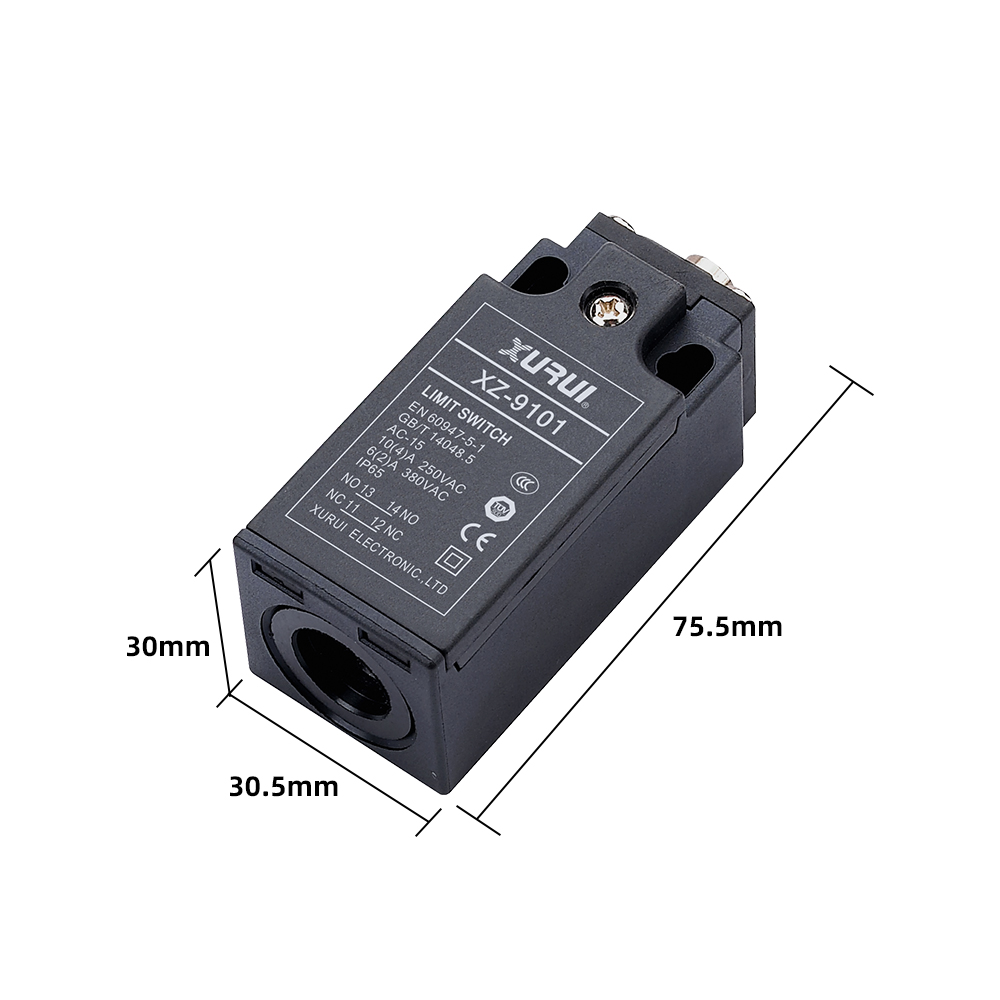
    Slim vertical housing allows installation in space-limited industrial equipment while maintaining reliable switching performance.
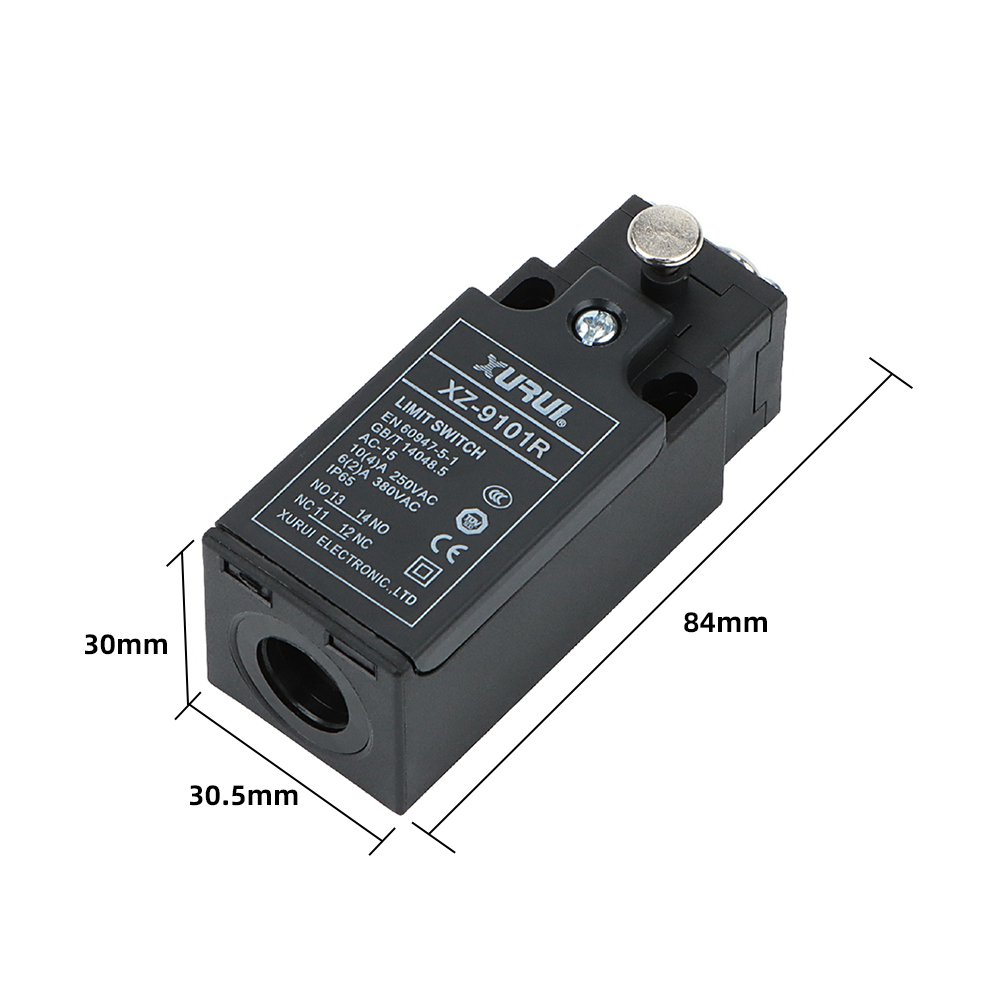
Specifications
ltemData
Rating load10AV 250VAC;3A 1240VAC;0.27A 1250VDC
Operation speed5m-0.5m/s
Operation frequencyMechanical120 times/min
Electrical30 times/min
Insulation resistance100mΩ Above DC500V
Contact resistance25mΩ initial value
Withstand voltageNon-connection wire1000VAC
Every terminal1500VAC
VibrationMisoperation10-55Hz Amplitude 1.5mm
lmpactDurable1000m/s²
Misoperation300m/s²
LifeElectrical100,000 Ops above
Mechanical1.000,000 Ops above
Protection degreeIP65
Operating temperature-10~+70℃
Operating humidity< 85%
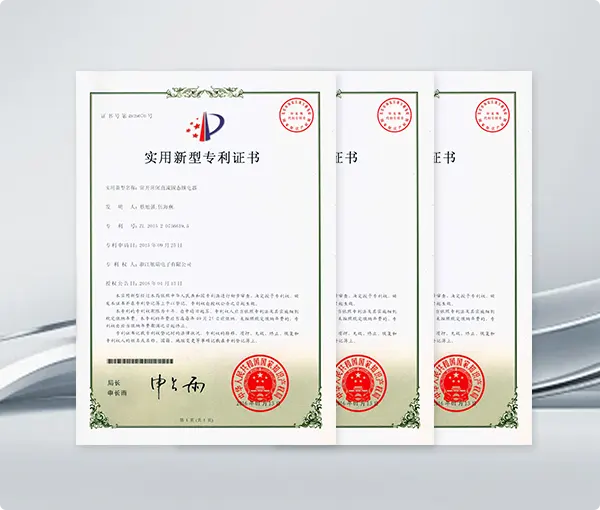
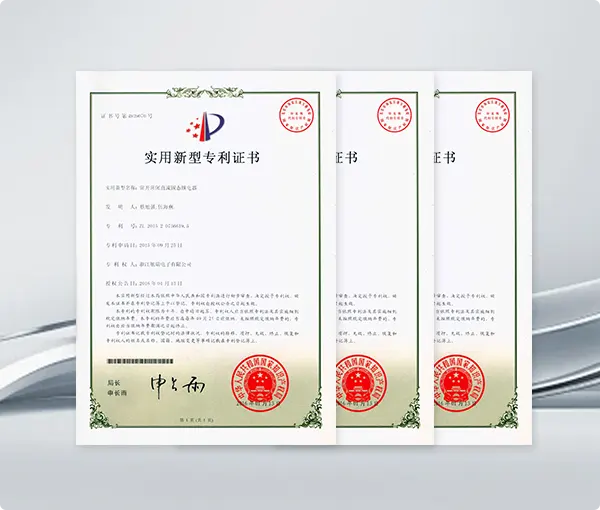
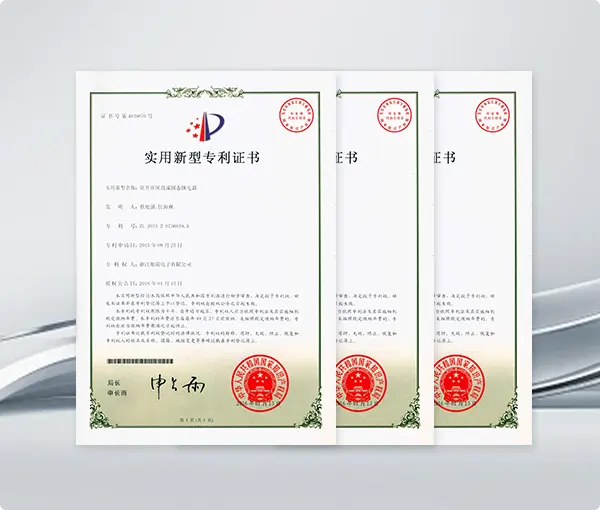
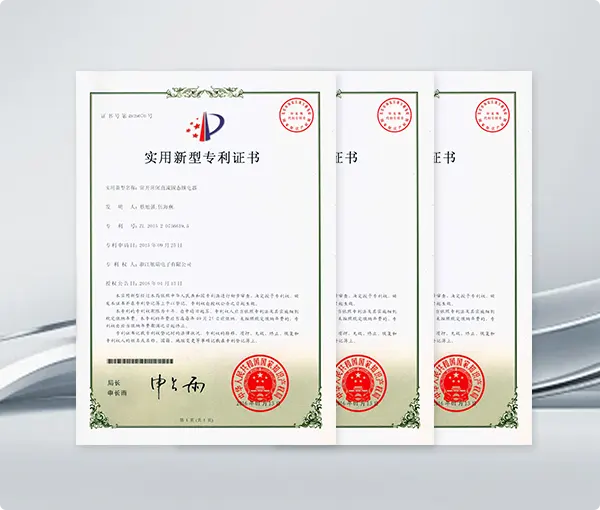
Product Certification
  • 01Certification for the Chinese market

    Compliant with GB national standards, with CCC and CQC certification for domestic sales and bidding compliance.

    Certification for the Chinese market Certification for the Chinese market
  • 02EU Market Certification

    Comply with CE, RoHS, REACH and EN standards, approved by TÜV & VDE, and support ATEX certification for explosive hazardous areas.

    EU Market Certification EU Market Certification EU Market Certification
  • 03North American Market Certification

    UL, CUL and CSA certified, conforming to North American electrical safety specifications for US and Canada market access.

    North American Market Certification
  • 04Japanese, Korean, and Asian markets

    Adapt to Japanese PSE and Korean KC certification, follow JIS and KS local standards to meet market access regulations of Japan and South Korea.

    Japanese, Korean, and Asian markets
Product Introduction & Process
  • 1
    Raw Material Inspection

    Metal housings, engineering plastics, silver-alloy contacts, copper terminals, springs, sealing rings, shafts, rollers, and cable glands are inspected before production. Material composition, dimensions, surface condition, hardness, and electrical conductivity are verified according to the relevant specifications.

    2
    Housing Forming and Machining

    Metal housings are produced through precision die casting, while plastic housings are formed by injection molding. Mounting holes, threaded cable entries, shaft openings, and actuator interfaces are subsequently machined to ensure dimensional accuracy and installation compatibility.

    3
    Deburring and Surface Treatment

    Cast and machined components are deburred, polished, and cleaned. Metal parts may undergo zinc plating, nickel plating, electrophoretic coating, or other corrosion-resistant surface treatments to improve durability in industrial environments.

    4
    Terminal and Contact Manufacturing

    Copper-alloy strips are precision stamped to form terminals, contact arms, and conductive components. Silver-alloy contact points are securely riveted or welded onto the contact carriers to provide low contact resistance and stable electrical performance.

    5
    Spring and Snap-Action Mechanism Production

    Springs, contact blades, and elastic components are formed using controlled stamping and bending processes. Spring force, elasticity, hardness, and dimensional consistency are checked to ensure accurate switching action and reliable return performance.

    6
    Internal Contact Module Assembly

    Terminals, fixed contacts, movable contacts, springs, plungers, cams, and insulating components are assembled into the internal switching module. Assembly fixtures are used to maintain the correct contact gap, alignment, and operating sequence.

    7
    Actuator Head Assembly

    Depending on the model, pin plungers, roller plungers, roller levers, adjustable arms, spring rods, or rotary operating heads are installed. Moving components are lubricated where necessary to reduce friction and ensure smooth mechanical operation.

    8
    Housing Sealing and Final Assembly

    The internal switching module is installed into the housing. Gaskets, O-rings, cable glands, terminal covers, and sealing components are assembled to provide protection against dust, oil, moisture, and industrial contaminants.

    9
    Operating Parameter Calibration

    Operating position, release position, pre-travel, over-travel, movement differential, and operating force are measured and adjusted. The actuator must repeatedly switch at the specified position without sticking, excessive friction, or abnormal noise.

    10
    Electrical Performance Testing

    Each unit is tested for contact continuity, contact resistance, insulation resistance, dielectric strength, terminal accuracy, and switching sequence. Normally open and normally closed circuits are verified individually.

    11
    Mechanical and Environmental Verification

    Sample units undergo mechanical endurance, electrical endurance, vibration, impact, temperature, humidity, and ingress protection testing according to the applicable product specification.

    12
    Final Inspection and Packaging

    Product appearance, actuator movement, terminal markings, mounting dimensions, screws, covers, and accessories are inspected. Approved products are labeled, batch-coded, packed, and released for shipment with full traceability.

Download
  • All
  • Selection Guide
  • Product Manual
  • Outline Drawing
Application Scenarios
Customization & Delivery
We support the following types of customization
  • Electrical Parameter Customization :

    Custom voltage & current, AC/DC type, zero-cross or random trigger.

  • Mounting Structure Customization :

    Custom mounting, terminals and non-standard dimensions.

  • Heat Dissipation & Protection Customization :

    Custom heat dissipation, high isolation, potting and anti-corrosion protection.

  • Function Upgrade Customization :

    Overheat/overcurrent protection, anti-interference, delay and soft start optional.

  • Appearance & Brand Customization

    Custom logo, marking, OEM/ODM and personalized solution design.

  • Proofing Cycle

    Regular customization: 3-7 working days

    Complex Customization: 7-15 working days

    Urgent Sampling: 24-72 hours

  • Proofing Cost ( $ )

    2222 US dollars

  • MOQ

    Conventional products have no minimum order quantity. Customized products can be consulted with customer service

  • Delivery Time

    The delivery time usually varies depending on the quantity and model of the order, usually 3-5 days. For specific times, please consult us

Frequently Asked Questions
  • How can I get an accurate quotation?
  • What is not covered by the warranty?
  • What does the product warranty cover?
  • What is your standard production lead time?
  • Which certifications and compliance documents are available?
  • Can you support samples and small trial orders?
  • What customization services do you offer?
  • How long does custom sample development take?
  • How are custom sample costs calculated?
  • How do you ensure product traceability?
  • What quality inspections are performed?
Related Recommendations